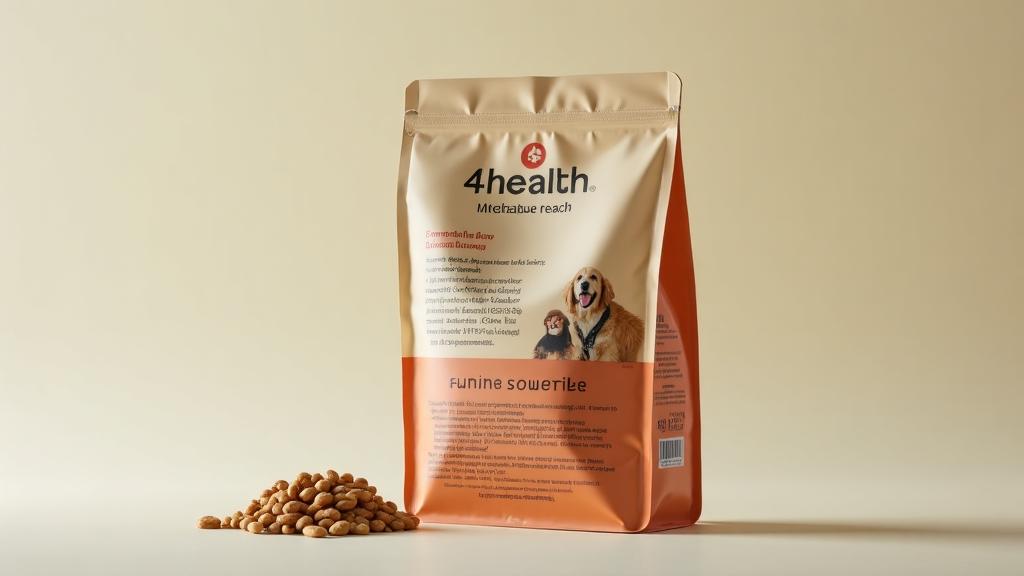
The best dog food under $100 per month for a medium-to-large dog is a high-quality kibble like Hill's Science Diet Adult or Purina Pro Plan, because they offer AAFCO-approved complete nutrition, named animal protein as the first ingredient, and consistent formulation, all at a price that fits a tight budget. That's the direct answer. Now let me explain why, and what your other options are.
What to look for in budget-friendly dog food under $100
You need to know what you're looking for. The cheapest bag on the shelf is rarely the best value. So I spent time digging through what's actually available. I looked at what the experts at Wirecutter say about reading labels. I checked out the affordable options list from Spot & Tango. I even skimmed what warehouse clubs like Costco are offering for bulk buys. Because here's the thing: the cheapest bag is rarely the best value.
Look for a named protein source as the first ingredient. Chicken, lamb, salmon, not 'meat meal' or 'poultry by-product.' That's rule one.
Check for the AAFCO statement that guarantees complete and balanced nutrition. Every bag of food you consider must say 'formulated to meet AAFCO nutrient profiles' or have passed feeding trials. Without that, you're guessing.
Avoid ambiguous fats and vague grains. You want specific fats like chicken fat (a named source) and whole grains like brown rice or oatmeal. Avoid 'animal fat' or 'grain products.'
Which top-rated dog foods fit under $100?
Hill's Science Diet Adult (Large Breed or Sensitive Stomach)
Hill's Science Diet is the brand that woman in the Facebook post was already feeding. It's a solid choice. A 30-pound bag costs around $55–$65 depending on the formula. For one large dog, that lasts about a month. You can add a can of Merrick or Purina Pro Plan wet food as a topper for another $15–$25, and you're right around $80–$90 total for the month. That leaves room for treats or supplements. For more advice on picking the right food, our complete buying guide walks you through all the key factors.
Hills uses named protein first (chicken, lamb, or salmon), includes a named fat (chicken fat), and has a clear AAFCO statement. It also blends grain-free and whole grain options, so you can match your dog's needs. This is the most reliable choice for budget-conscious owners who want a complete and balanced diet.
Purina Pro Plan (Chicken & Rice or Sensitive Skin)
Purina Pro Plan is another top contender. A 34-pound bag runs $50–$60, making it one of the best values per pound. The first ingredient is chicken (named protein), and it includes guaranteed live probiotics for digestive health. It's also AAFCO-compliant. For a medium dog, this is the top-rated budget option under $100. You can even buy the large bag at warehouse clubs like Costco or Sam's Club for around $45 if you have a membership.
Can you feed two dogs for under $100?
Yes, but you need to be strategic. For two small-to-medium dogs (like two Collies or two Beagles), you can stick with the same kibble brands but buy in bulk. A 40-pound bag of Purina Pro Plan or Hill's Science Diet at PetSmart or Chewy costs $55–$70. That bag will last about four to six weeks for two medium dogs. Supplement with Merrick canned food ($2–$3 per can) a couple times a week for variety, and you stay under $100 total.
If you buy from warehouse clubs, the cost drops further. Costco's Kirkland Signature Nature's Domain is a surprisingly good value, first ingredient is named protein (chicken or salmon), it's grain-free, and a 35-pound bag runs just $35–$40. That's one of the cheapest ways to feed two dogs well on a budget.
What about higher price tiers?
If you can stretch to $200 a month, you can add fresh-frozen subscription services like Spot & Tango (UnKibble) or The Farmer's Dog. These are lightly cooked or air-dried options that use real whole ingredients, human-grade meat, vegetables, and minimal processing. For a single medium dog, a subscription runs about $120–$180 per month. That's double the kibble budget but still under $200. Wondering if premium is worth it? Our cost comparison breaks down the value of premium foods.
At the $500 tier, you can feed a raw diet from companies like Darwin's Natural Pet Products or Primal Pet Foods. A 60-pound dog on raw costs roughly $350–$450 per month. At $1,000, you're looking at freeze-dried raw (like Stella & Chewy's) or custom meal plans from a veterinary nutritionist.
But back to the core question: for under $100, you want quality kibble from a reputable brand with named ingredients and AAFCO approval. That's the sweet spot.
FAQ
Q: Is $100 enough to feed a large dog quality food for a month?
Yes. A 30–35 pound bag of Hill's Science Diet or Purina Pro Plan costs $50–$65 and lasts a large dog about a month. You stay under $100 with room for a topper or treats.
Q: What is the best dog food under $100 for sensitive stomachs?
Hill's Science Diet Sensitive Stomach (chicken or salmon formula) is the top choice. It includes prebiotic fiber, named protein first, and is AAFCO-approved. A 30-pound bag is around $60.
Q: Can I feed two dogs on one $100 budget?
Yes, if you buy bulk kibble from warehouse clubs. A 40-pound bag of Kirkland Signature Nature's Domain ($35–$40) will last two small-to-medium dogs for a month. Supplement with Merrick canned for variety.
Q: Is there a wet dog food option under $100 per month?
Wet food alone is expensive for a medium or large dog. Use it as a topper (1–2 cans per week) with kibble, not the sole food. Merrick and Purina Pro Plan cans cost $2–$3 each.
Q: Does budget dog food meet AAFCO standards?
Yes, if you choose brands like Hill's Science Diet, Purina Pro Plan, or Kirkland Signature. Always check the bag for the AAFCO statement confirming 'complete and balanced nutrition.'
I'm not a veterinarian. But I've researched pet food labels for years, and I follow the same rules the Wirecutter guide lays out. Look for a named protein source as the first ingredient. Check for the AAFCO statement that guarantees complete and balanced nutrition. Avoid vague ingredients. And remember: the best dog food under $100 isn't the cheapest, it's the one that gives your dog real nutrition without blowing your budget. For senior dogs specifically, see our senior diet guide for joint health and digestion tips.