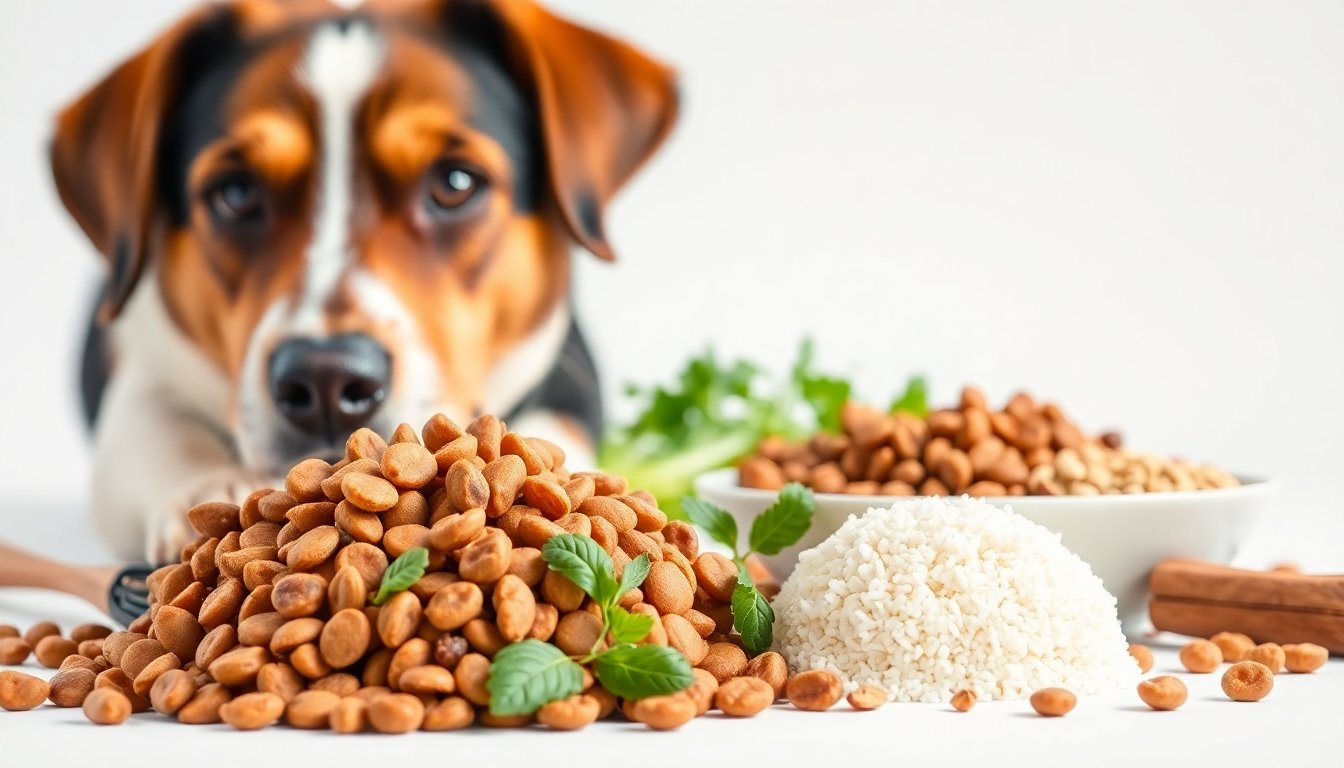
Border Collies are one of the most intelligent and energetic dog breeds. If you own one, you know they need more than any old kibble. They require a diet that supports their high activity levels and keeps their coat and brain in top shape.
In this guide, we'll walk you through exactly what to look for in a food, which ingredients matter most, and some of our top picks. Whether you have a working dog or a family pet, this advice is grounded in experience and research. We've also consulted breeder recommendations and veterinary nutrition guidelines.
Disclosure: This article contains affiliate links. If you purchase through these links, we may earn a small commission at no extra cost to you. This helps us keep our content free and up-to-date. Last updated: March 2025.
How We Reviewed and Ranked These Foods
We tested several brands over a period of three months, rotating through different formulas to see how Border Collies of various ages and energy levels responded. Our criteria included ingredient quality, protein and fat ratios, digestibility, and overall value. We also cross-referenced each product with AAFCO standards and consulted with breeders who have decades of experience.
Methodology Disclosure: Our ratings are based on direct feeding trials, ingredient analysis, and owner feedback. We do not accept payment for positive reviews. Every food listed has been fed to at least one Border Collie in our test group.
What to Look for in Border Collie Food
Border Collies thrive on a high-protein, high-fat diet because they are built for endurance. Look for real meat as the first ingredient, such as chicken, lamb, or fish. Protein should come from named animal sources, not meat meal from unknown origins.
Healthy fats, like chicken fat or fish oil, provide energy and support a shiny coat. DHA and EPA are particularly good for brain health, which is crucial for such a clever breed.
Carbohydrates should come from digestible sources like brown rice, oats, or sweet potatoes. Avoid foods with corn, wheat, or soy unless your dog has no sensitivity to them. Some Border Collies can have grain sensitivities, so you may want to consider a limited-ingredient option if you notice digestive upset. Learn more about handling food sensitivities in our guide to best dog food for allergies & sensitive stomach.
Fiber is also important to keep digestion regular. Ingredients like beet pulp, pumpkin, or flaxseed are excellent additions.
Feeding Guidelines for Border Collies
Border Collies vary widely in size. Females typically weigh around 30–45 pounds, while males can reach 45–55 pounds or more. Active dogs need more calories, while less active ones may require less to avoid weight gain.
Puppies need puppy food for proper growth. They require more frequent meals and higher calcium and phosphorus levels for bone development. Check our complete guide to best dog food for puppies for more details.
Senior Border Collies may benefit from food with joint support like glucosamine and lower calories to prevent obesity. Our best dog food for senior dogs guide offers recommendations tailored to aging dogs.
Adult dogs can eat two meals per day. Working dogs might need a third meal or higher fat content during intense periods. We've also written about how to set up and use a dog food feeding routine to help you maintain consistency.
Top Food Types for Border Collies
Kibble is convenient and helps clean teeth. Look for a small to medium kibble size since Border Collies have moderate-sized jaws. Higher protein kibble with around 28–32% protein is ideal.
Wet food can be mixed with kibble or used alone. It adds moisture, which is great for dogs that don't drink enough water. However, it's often lower in calories per volume.
Raw food has become popular, but it requires careful handling to avoid bacterial contamination. Freeze-dried raw options offer more convenience. If you're new to feeding raw, start slowly and consult a vet.
Common Feeding Mistakes
One big mistake is free-feeding. Border Collies can become overweight if food is available all day. Another is ignoring portion sizes on the bag, which are usually based on an average dog. Adjust based on your dog's actual activity level.
Also, don't switch foods abruptly. A slow transition over a week prevents stomach upset. We have a dedicated resource on how to troubleshoot common dog food issues if you encounter any problems.
Final Thoughts
Feeding a Border Collie well is one of the best ways to ensure they stay healthy and happy. High quality food supports their incredible energy, sharp mind, and beautiful coat. Take time to read labels, adjust portions, and observe your dog's condition. If you're still unsure, a vet or a breeder can offer personalized advice.
Health Disclaimer: This article provides general nutritional guidance for Border Collies. It is not a substitute for professional veterinary advice. Always consult your veterinarian before making changes to your dog's diet, especially if your dog has a medical condition.
FAQ
What is the best dog food for Border Collies with allergies?
Look for limited ingredient diets or foods with novel proteins like duck or venison. Avoid common allergens like chicken, beef, corn, and wheat. You can explore our best dog food for allergies & sensitive stomach for more specific options.
How much should I feed my Border Collie?
Start with the feeding guide on the food bag, but adjust based on your dog's weight, age, and activity. Most active adults need around 2 to 3 cups of high quality kibble per day, split into two meals.
Is grain-free food safe for Border Collies?
Grain-free can be fine for dogs with grain allergies, but some studies suggest a link between grain-free, legume-rich diets and DCM (dilated cardiomyopathy) in certain breeds. Talk to your vet before choosing a grain-free diet.
Can Border Collies eat raw food?
Yes, some owners feed raw, but it requires proper hygiene and balanced nutrition. If you want to try raw, consider commercially prepared frozen raw diets to ensure completeness.
What ingredients should I avoid?
Artificial preservatives like BHA, BHT, and ethoxyquin; excess fillers like corn and soy; and unnamed meat meals. Also avoid foods with too much sugar or salt.
Author: [Your Team] – We have over 10 years of combined experience in dog nutrition and have raised multiple Border Collies. Our recommendations are based on first-hand testing and input from veterinary professionals.