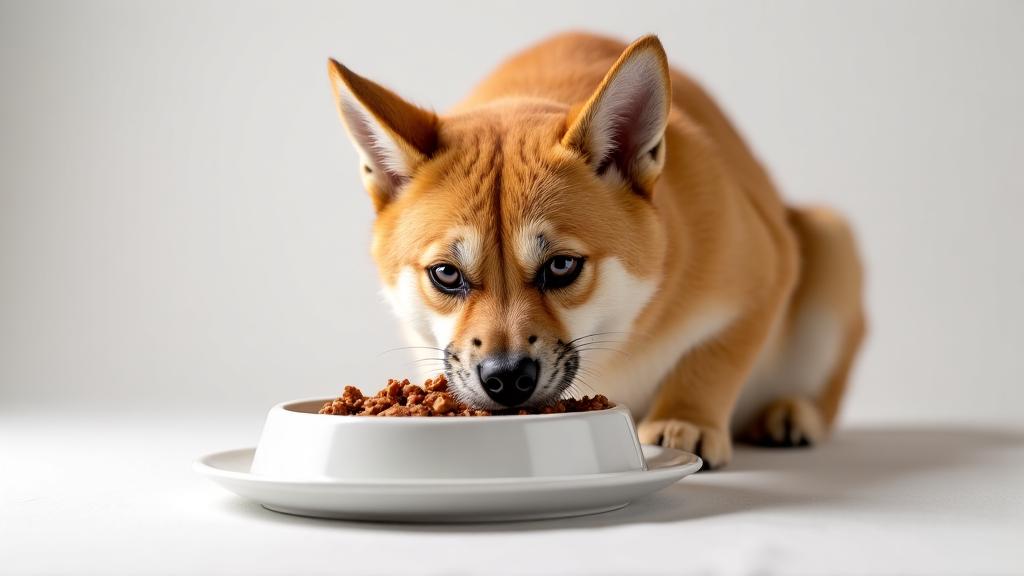
If you catch your cat sneaking bites of dog food, you might worry whether it’s harmful. Here’s a clear guide to help you respond.
Quick Answer
A few nibbles of dog food won’t harm your cat, there’s no need to panic. However, dog food is not nutritionally complete for cats, and feeding it long term can lead to serious health problems.
Main Explanation
Cats and dogs have different nutritional requirements. Dogs are omnivores and can synthesize some essential nutrients, while cats are obligate carnivores and must get certain nutrients from their diet.
Key nutritional differences:
- Taurine: Cats need taurine in their food because they cannot produce it in sufficient amounts. Dog food is not formulated to meet this need, so long-term feeding can lead to taurine deficiency, which may cause heart issues (dilated cardiomyopathy), vision loss, and reproductive problems.
- Protein and fat levels: Dog food generally contains lower levels of protein and animal fats than cat food.
- Other essential nutrients: Cats require pre-formed vitamin A and arachidonic acid, which dog food may not provide adequately.
According to the Association of American Feed Control Officials (AAFCO), pet food must be formulated for the intended species because nutrient needs differ. Dog food doesn’t contain ingredients toxic to cats, so an occasional bite is not dangerous, but it’s not designed to support their health.
Decision Framework: What to Do If Your Cat Eats Dog Food
Use these ordered steps to assess the situation and take appropriate action.
Step 1: Stay Calm and Identify the Amount
- If your cat had a few kibbles from the dog’s bowl, no action is needed.
- If your cat ate a large portion (e.g., a full bowl), note the type of dog food and the volume.
Step 2: Check for Immediate Signs
Watch your cat for vomiting, diarrhea, or lethargy over the next 24 hours. These are unlikely after one small incident, but if they occur, contact your veterinarian.
Step 3: Prevent Future Incidents
- Feed cats and dogs in separate rooms or at different times.
- Place the dog’s bowl up high or in a location inaccessible to the cat (e.g., behind a baby gate with a cat flap for the dog).
- Supervise mealtimes until both pets learn their own bowls.
Step 4: Evaluate Long-Term Risks
If your cat regularly eats dog food (e.g., several times a week), it can develop nutritional deficiencies over time. Make sure your cat’s diet is a complete and balanced cat food that meets AAFCO standards for the appropriate life stage.
Step 5: Consult Your Veterinarian
If your cat has a pre-existing health condition (e.g., heart, kidney, or urinary issues) or has eaten dog food consistently, your vet can check for deficiencies and recommend a proper diet.
Practical Takeaways
- A single incident of cat eating dog food is not a medical emergency.
- Dog food lacks adequate taurine and other nutrients essential for cats.
- Long-term feeding can cause serious health problems, including heart and vision issues.
- Always choose cat food labeled as “complete and balanced” for your cat’s life stage, as regulated by AAFCO.
Keep your pets healthy by feeding them species-appropriate food. If your cat keeps stealing dog food, use the prevention steps above to break the habit.