The Short Version
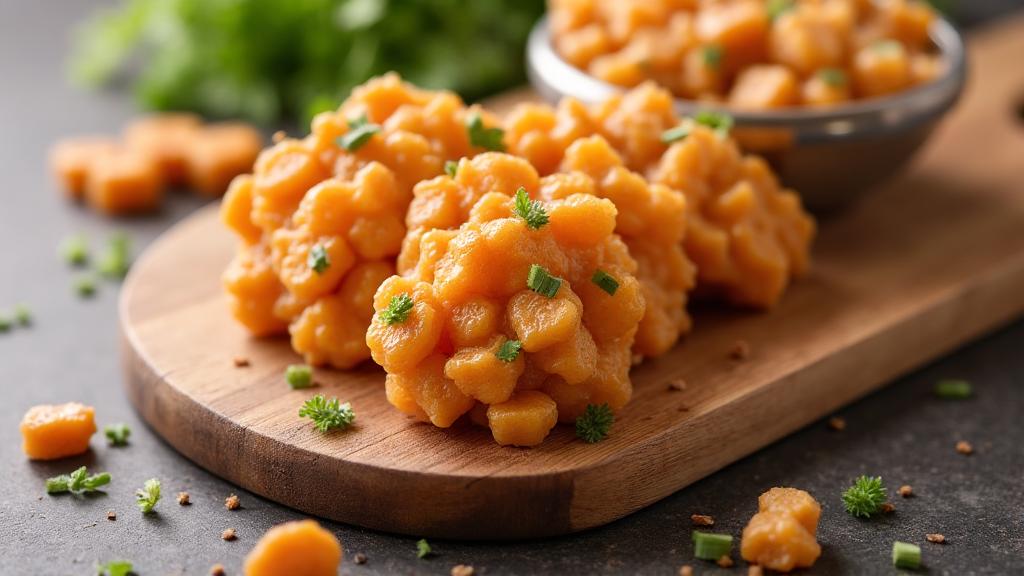
Cooked homemade dog food gives you complete control over ingredients, which is huge if your dog has allergies, a sensitive stomach, or you just want to avoid the mystery meat in some commercial brands. A basic mix is about 40–50% protein (lean ground meat, eggs), 25–30% healthy carbs (brown rice, quinoa, sweet potatoes), and 20–25% veggies (carrots, broccoli, spinach, pumpkin). You'll need to add a fat source and a calcium source too. Portion roughly 2–3% of your dog's ideal body weight per day, split into two meals. It takes about an hour to cook a week's worth.
Key Takeaways
- Balance is non-negotiable: protein, carbs, veggies, healthy fats, and calcium all need a spot
- Rotate proteins: chicken, turkey, beef, fish, even venison if you can get it
- Cook grains thoroughly (brown rice needs a full 45 minutes) or your dog won't digest them
- Store in the fridge for up to 5 days or freeze for 3 months
- Always introduce new food slowly over 7–10 days to avoid stomach upset
My Go-To Base Recipe (Makes About 13 Servings for a 50-lb Dog)
I use a 10-quart stockpot and this fills it about two-thirds full. The recipe comes out to roughly 40 calories per ounce, which makes math easy.
Ingredients
- 2 lbs lean ground beef (sirloin or 85/15 works great)
- 1.5 cups brown rice, uncooked
- 3 cups water (for the rice)
- 2 large carrots, shredded
- 2 cups broccoli florets, chopped small (so they cook evenly)
- 1 medium sweet potato, peeled and diced into ½-inch cubes
- 4 large eggs, hard-boiled and chopped (shells removed unless you're grinding them for calcium)
- 2 tablespoons olive oil
- 1 teaspoon dried rosemary
- Optional: 1 can (15 oz) pumpkin puree (not pie filling), adds fiber and my dog loves it
Step-by-Step Instructions
- Cook the brown rice first since it takes the longest. Bring 1.5 cups rice and 3 cups water to a boil, then drop to a simmer, cover, and let it go for 45 minutes. Don't peek.
- Brown the ground beef in a separate large skillet over medium heat. Break it into small pieces as it cooks. Drain any excess fat if you used a high-fat blend, but keep a little for flavor.
- Steam the veggies while the meat cooks. I toss the sweet potato and carrots into a steamer basket for 10 minutes, then add the broccoli for the last 3 minutes. You want them fork-tender but not mushy.
- Combine everything in your big pot once the rice is done and the meat is browned. Add the pumpkin if you're using it, the olive oil, and rosemary. Stir until it's all mixed evenly.
- Let it cool completely before portioning. I spread mine on a sheet pan to speed things up, takes about 20 minutes.
- Portion into containers. For a 50-lb dog eating 2.5% of body weight daily, that's 1.25 lbs per day, or about 10 oz per meal if you feed twice. My batch makes about 6–7 days' worth stored in the fridge.
- Freeze what you won't use within 5 days. I use quart-size freezer bags, flattened and stacked. They thaw overnight in the fridge.
- Add supplements at serving time. I stir in a fish oil capsule (pierced and squeezed) and a pinch of kelp powder at each meal. If you're looking for more information on choosing the right commercial options, check out the ultimate dog food buying guide for a helpful comparison.
- 2 lbs ground turkey
- 1.5 cups brown rice
- 2 cups frozen mixed veggies (peas, carrots, green beans)
- 1 cup chopped spinach
- 2 tablespoons coconut oil
- 1 teaspoon sage
- 2 lbs canned wild salmon (bones included, crushed)
- 3 cups cooked quinoa
- 2 cups steamed broccoli
- 1 cup pumpkin puree
- 2 tablespoons hempseed oil
- 1.5 lbs lean ground beef
- 0.5 lb beef liver, finely chopped (or ground)
- 1.5 cups cooked barley
- 2 cups shredded zucchini
- 1 cup diced carrots
- 2 eggs, hard-boiled
- 1 tablespoon ground flaxseed
- Freezer: up to 3 months in freezer bags or containers
- Thaw overnight in the fridge, never at room temperature on the counter
- Never reheat in plastic, transfer to a bowl first
- Discard any food your dog doesn't eat within 30 minutes (bacteria grow fast)
Why I Stopped Buying Kibble (Almost Entirely)
Look, I still keep a bag of high-quality kibble around for emergencies or travel. But for daily feeding? Homemade wins hands down. My 11-year-old mixed breed has better energy, a shinier coat, and his allergies, which used to mean endless licking and ear infections, have basically disappeared. The vet noticed at his last checkup and asked what I changed.
The Big Debate: Grains vs. Grain-Free
I'm squarely in the "whole grains are fine" camp for most dogs. Brown rice, quinoa, and oats provide valuable fiber, B vitamins, and steady energy. The grain-free trend in commercial food was largely a marketing response to the 2018 FDA investigation into a possible link between grain-free diets and canine dilated cardiomyopathy (DCM). The issue wasn't grains, it was the replacement of grains with legumes like peas, lentils, and chickpeas, which may interfere with taurine absorption. For dogs with specific allergies to wheat or corn, I get it. But for the average healthy dog? Best grain-free dog food can work, but many dogs do just fine with grains.
Three Recipes I Rotate Regularly
1. Turkey and Rice Comfort Bowl
Cook the same way as the base recipe. This one is gentler on sensitive stomachs.
2. Salmon and Sweet Potato Feast
No additional cooking needed beyond making the quinoa. Just mix everything. This is high in omega-3s and great for joint health. You can also mimic a commercial approach by comparing recipes to our dog food reviews to see what nutrients you might be missing.
3. Beef and Organ Meat Power Mix
Organ meats are nutrient powerhouses but don't go over 5% of the total recipe because liver is so rich it can cause vitamin A toxicity if overfed.
Nutritional Balance: The Part Nobody Talks About
Most homemade dog food recipes are deficient in calcium, zinc, copper, and vitamin D unless you add supplements. A homemade diet without a calcium source can cause serious bone problems, especially in growing puppies. The simplest fix: feed raw, meaty bones recreationally (supervised), or add a calcium supplement. I use a powdered calcium carbonate from a reputable pet supplement company. For puppy-specific needs, though, it's worth reading the best dog food for puppies guide to ensure balanced growth.
How Much to Feed
A general starting point is 2–3% of your dog's ideal adult body weight per day, divided into two meals. For a 50-lb dog eating 2.5%, that's 1.25 lbs of food daily. But this varies wildly based on activity level, age, and metabolism. My lazy senior gets closer to 2%. My neighbor's working border collie needs 3.5%. Monitor weight and adjust. You should be able to feel your dog's ribs without pressing hard, and see a visible waist from above.
Storage Tips
- Fridge: up to 5 days in airtight containers
Frequently Asked Questions
Can I feed cooked homemade dog food exclusively?
Yes, as long as the recipe is nutritionally complete and balanced with a calcium source and supplements for key nutrients.
Do I need a veterinary nutritionist?
It's highly recommended, at least for a consultation. Many vets can refer you to one, or you can find a board-certified veterinary nutritionist online. It costs around $200–400 for a custom formulation.
Is raw safer than cooked?
Neither is inherently safer. Cooking kills pathogens like Salmonella and E. coli, which is important if you have immunocompromised people in the house. But cooking also degrades some nutrients, which is why you need to add supplements.
Can I use a slow cooker?
Yes, but the texture is different. Meat comes out very tender and veggies can get mushy. Cook on low for 4–6 hours. Add quick-cooking veggies like spinach in the last 30 minutes.
What about fish oil supplements?
A high-quality fish oil supplement provides EPA and DHA, which are great for skin, coat, and joint health. Store it in the fridge and use within 60 days of opening. Follow dosage based on your dog's weight.
The Bottom Line
Cooked homemade dog food isn't a fad. It's a practical way to feed your dog real food you trust. Start with the base recipe, rotate proteins, add a calcium source and supplements, and watch your dog thrive. It's more work than opening a bag, sure. But seeing my dog wolf down a bowl of food I made with my own hands? That's worth every minute.