Quick Answer
A small amount of cat food is not toxic to dogs and is usually safe. However, regular or large amounts can cause digestive upset or more serious health issues. The best course of action is to prevent access and monitor your dog after an incident.
Why Dogs Want Cat Food
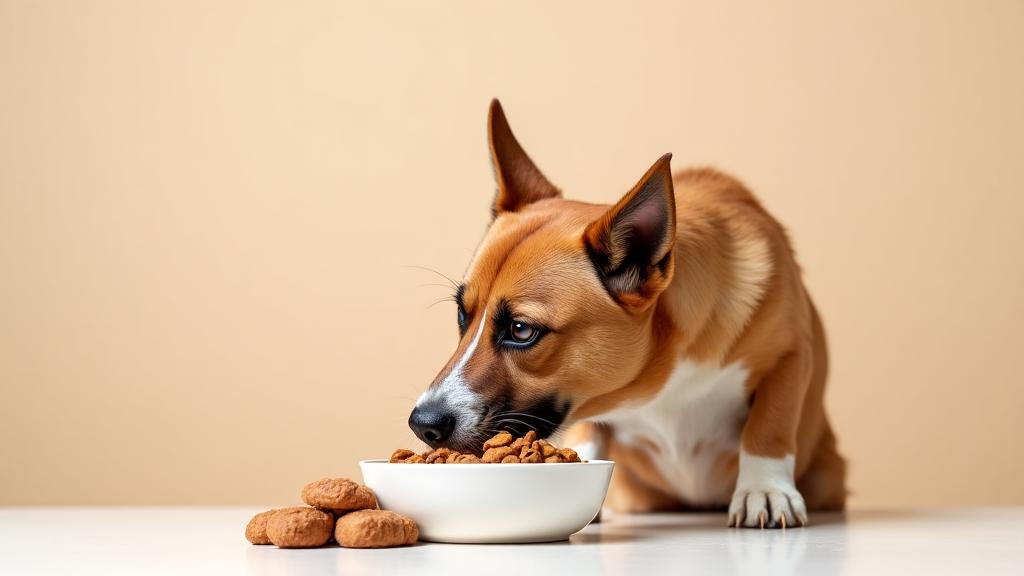
Dogs are often drawn to cat food simply because they like the taste. Cat food is typically higher in protein and fat than dog food, making it more appealing to many dogs. This higher protein and fat content, while tasty, is also the primary reason why cat food is not ideal for dogs in the long term.
The Main Risks: What Happens When a Dog Eats Cat Food
- Digestive Upset: The most common immediate effect is an upset stomach. Your dog may experience nausea, diarrhea, or vomiting, but these symptoms usually resolve within a day or two. Cat food is not toxic to dogs.
- Pancreatitis: If a dog eats a large amount of cat food, especially if it's high in fat, it can trigger pancreatitis. This is a serious inflammation of the pancreas that requires veterinary care.
- Nutritional Imbalance: Cat food is formulated for carnivores, with higher minimum levels of protein (at least 26%) and fat (at least 9%) compared to dog food (18% protein, 5.5% fat). Long-term consumption of cat food can lead to an improper balance of nutrients for an omnivorous dog.
Decision Framework: What to Do If Your Dog Eats Cat Food
Follow these ordered steps to manage the situation and prevent future incidents.
Step 1: Assess the Amount Eaten
- A small bite or lick: This is almost always safe. No action is needed other than observation.
- A bowlful or regular access: This poses a higher risk of digestive upset and nutritional imbalance. You will need to take steps to prevent this from becoming a habit.
Step 2: Monitor Your Dog (Next 24 Hours)
For any amount eaten, watch for these signs:
- Vomiting
- Diarrhea or loose stool
- Lethargy (acting tired or sluggish)
- Signs of a stomach ache (pacing, whining, hunched posture)
If these symptoms are mild and resolve within 24 hours, your dog is likely fine. If symptoms are severe, last longer, or include vomiting multiple times, contact your veterinarian.
Step 3: Prevent Future Access
- Separate Feeding: The most effective method is to feed your cat in a location your dog cannot reach, such as on a counter, in a separate room, or behind a baby gate.
- Stick to Schedules: Remove uneaten cat food after your cat has finished eating to remove the temptation.
- Check Your Dog's Diet: Ensure your dog is getting a complete and balanced dog food they enjoy. If they are motivated by taste, a high-quality dog food with good protein content may reduce the appeal of cat food.
When to Call a Vet
While rare, you should contact your veterinarian if your dog:
- Vomits repeatedly or is unable to keep water down.
- Has severe diarrhea.
- Shows signs of extreme lethargy or significant pain.
- Has a pre-existing health condition like pancreatitis.
Practical Takeaways
- It's not an emergency: A single incident of a dog eating cat food is typically not a veterinary emergency.
- Focus on prevention: The best approach is to separate feeding areas and clean up uneaten cat food promptly.
- Monitor for symptoms: Watch for an upset stomach in the 24 hours following ingestion.
- Long-term health: Do not feed cat food as a regular part of your dog's diet due to the risk of nutritional imbalance and pancreatitis.