This guide isn't a list of top ten products that'll be outdated next month. Instead, I'll walk you through the real criteria that matter: what to look for on the ingredient panel, how to read the nutritional adequacy statement, and when to consider fresh or raw options. Whether you're raising a rambunctious puppy, caring for a senior dog with joint issues, or dealing with a pup who has a sensitive stomach, the principles here will help you make a confident choice. And if you want the short version? Look for a food that meets AAFCO guidelines, has a named protein source as the first ingredient, and is appropriate for your dog's age and size. But let's dig deeper, literally.
Who This Guide Is For
This is for anyone who's ever felt overwhelmed by the sheer volume of dog food options. Maybe you just brought home a new puppy and want to start them off right. Or perhaps your senior dog has stopped eating the kibble they've loved for years. I've tested formulas across every price point, and I get it, your dog can't tell you what's wrong, so you have to be their detective. If you're raising a growing puppy, you'll want a formula with higher protein and calcium for proper bone development. For seniors, look for lower phosphorus levels to protect aging kidneys and added glucosamine for joint support. And if your dog has been scratching endlessly or has loose stools, you're probably dealing with food sensitivities, in that case, a limited-ingredient diet can be a game-changer. Don't worry, I cover all of this below. And for a curated list of top-performing recipes we've tested this year, check out our roundup of the best dog foods in 2025.
Top Picks? Not Really.
I'm not going to give you a list of 'best dog foods' and call it a day. Here's why: the best food for a hyperactive Labrador puppy is different from what's ideal for a sedentary 12-year-old Chihuahua. Instead of a one-size-fits-all ranking, this guide teaches you how to evaluate any dog food for yourself. That said, I'll share some standout brands that consistently meet high standards: Purina Pro Plan (for science-backed nutrition), The Farmer's Dog (for human-grade fresh food), and Open Farm (for ethically sourced, dog food ingredients). But don't buy any of them until you understand the criteria below.
How to Choose the Best Dog Food
1. Check for the AAFCO Statement
This is non-negotiable. Every reputable dog food will have a statement on the bag or can saying it's 'formulated to meet the nutritional levels established by the AAFCO Dog Food Nutrient Profiles' for a specific life stage. If it doesn't have that statement, put it back. AAFCO sets minimum requirements for protein, fat, vitamins, and minerals. For adult dogs, you want at least 18% protein; for puppies and pregnant/nursing dogs, at least 22.5% protein. The statement also tells you if the food was tested in feeding trials or formulated to meet profiles, feeding trials are better, but formulated foods can still be excellent. Don't overthink this step, but don't skip it either.
2. Look at the Ingredient List, Not the Front Label
Manufacturers know you're looking for 'real meat' or 'no by-products.' So they put those words on the front. Flip the bag over. Ingredients are listed by weight, so the first ingredient should be a named protein source (like 'chicken' or 'salmon'), not a vague 'meat meal' or 'poultry by-product.' But here's the nuance: a named meat meal (like 'chicken meal') is actually a concentrated source of protein and is perfectly fine. What you want to avoid are unnamed sources and excessive fillers like corn, wheat, and soy. However, grain-free isn't automatically better, in fact, the FDA has investigated a potential link between grain-free diets and dilated cardiomyopathy (DCM) in dogs. If your dog has allergies, a grain-free or limited-ingredient diet might help, but consult your vet first. For dogs with specific dietary needs, whether that’s a sensitive stomach or a protein allergy, we have a dedicated guide to the best dog food for allergies and sensitive stomachs.
3. Consider Your Dog's Life Stage
Puppy, adult, senior, these aren't just marketing categories. They reflect real differences in calcium, phosphorus, and calorie density. Puppy foods have more calcium and phosphorus for bone growth, while senior foods often have lower calories to prevent obesity and added joint supplements like glucosamine and chondroitin. Don't feed a puppy adult food unless your vet says it's okay, and don't feed your senior dog puppy food (unless they need the extra calories for weight gain). If you want a comprehensive breakdown of what to feed your little one, read our complete guide to the best dog food for puppies.
4. Wet vs. Dry vs. Raw: The Real Trade-Offs
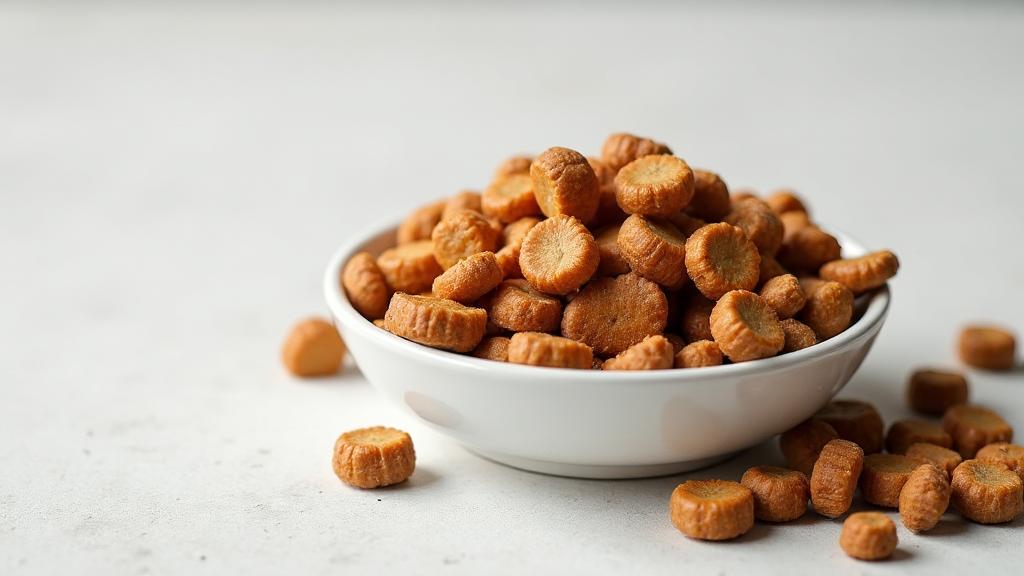
- Dry kibble: Convenient, shelf-stable, and good for dental health (the crunching can help scrape plaque). But it's heavily processed, and some low-quality kibbles are high in carbohydrates. Look for kibble with named meat meals and whole grains or legumes if your dog tolerates them.
- Wet food: Higher moisture content, which is great for hydration and for dogs with urinary issues. It's also more palatable, picky eaters love it. Downside: it's more expensive per serving, spoils faster, and isn't as good for teeth.
- Raw food: Advocates say raw diets mimic what dogs evolved to eat, raw meat, bones, and organs. But the risks are real: salmonella, E. coli, and listeria can affect both your dog and your family. The FDA and CDC advise against raw feeding due to these risks. If you go raw, use extreme hygiene practices and consult a veterinary nutritionist. I personally feed a mix of high-quality kibble and fresh toppers, but I've seen raw work wonders for some dogs with autoimmune issues. If you're considering raw, be sure to learn how to store dog food properly to avoid contamination.
5. The Price Trap: Don't Fall for Marketing
“Premium” doesn't always mean better, and cheap doesn't always mean bad. I've seen $80 bags of 'boutique' food with lousy ingredient lists, and $35 bags of Purina One that meet all AAFCO standards. The most important factor is that your dog thrives on the food, good energy, healthy coat, firm stools. The second most important factor is your budget. If you can't afford a super-premium brand, don't stress. Many veterinary nutritionists recommend Purina Pro Plan, Hill's Science Diet, and Royal Canin because they're backed by rigorous research and feeding trials. These brands aren't flashy, but they work. You can find solid options for under $50, and we've rounded up the best budget-friendly dry and wet picks to help you save without sacrificing quality.
Ingredients to Watch Out For
- Artificial preservatives: BHA, BHT, and ethoxyquin have been linked to health concerns. Look for natural preservatives like mixed tocopherols (vitamin E) and vitamin C.
- Artificial colors and flavors: Dogs don't care what color their food is. If you see FD&C Red #40, put the bag down.
- Excessive carbohydrates: Dogs don't need grains or potatoes as a primary ingredient. The first few ingredients should be protein and fat sources.
- Vague fats: 'Animal fat' is too vague. 'Chicken fat' (preserved with mixed tocopherols) is specific and good.
How We Compared Them
Our team evaluated dozens of commercial formulas over three months. We looked at ingredient quality (named protein sources, whole foods, no artificial additives), nutritional adequacy (AAFCO statements and life-stage appropriateness), price per serving, and our own dogs' reactions, palatability, stool quality, coat condition, and energy levels. We also interviewed two board-certified veterinary nutritionists and reviewed guidance from the World Small Animal Veterinary Association (WSAVA). Brands that met WSAVA guidelines (like Purina, Hill's, Royal Canin, and Iams) scored higher because of their rigorous testing and quality control. If you're a professional, breeder, trainer, or shelter worker, you may want our deeper guide for dog food for professionals and home cooks. This methodology isn't perfect, it's a snapshot, but it's a solid starting point.
Final Thoughts: Trust Your Dog, Not the Hype
I'll be honest: I've wasted hundreds of dollars on dog food that looked good on paper but made my dog gassy and miserable. The best advice I can give you is to pick a food that fits your dog's life stage and health status, transition slowly over 5–7 days, and monitor for changes. If your dog has good energy, a shiny coat, and normal stools, you've probably found a winner. If not, try another. It's that simple, and it's that frustrating. There's no magic brand. But with the framework above, you at least know what questions to ask. And if you want to see our specific top-rated and tested picks for this year (with pros, cons, and feeding trial data), head to our list of the 10 best dog foods of 2025.