So let’s talk about the actual tradeoffs. Not the Instagram version of home cooking versus the big scary kibble factory.
Why People Even Go Homemade
I get the appeal. I really do. You look at a bowl of dry brown pellets and think, would I want to eat this every day, twice a day, forever? The answer is no. And that’s usually where the homemade rabbit hole starts.
There is a genuine emotional pull here. Home-cooked meals offer what commercial food structurally cannot: freshness, variety in texture, and that specific pride in knowing every single ingredient your dog is eating. No vaguely named “animal by-products.” No preservatives you can’t pronounce. Just actual chicken thighs or ground beef you bought at the store. The Union Lake Veterinary Hospital blog put it bluntly, cooking at home provides “an assortment of flavors and textures” that commercial food just doesn’t deliver.
Customization is the biggest functional advantage. If your dog has an allergy to a weirdly common filler in kibble, or a sensitivity nobody can quite diagnose, homemade food lets you isolate ingredients perfectly. You can pump up omega-3s for an arthritic senior, or fine-tune protein for a working dog. That control is powerful.
Here’s where I’m going to sound like a downer. Most of those beautifully customized bowls are nutritionally incomplete. Not because the owner doesn’t care. Because dog nutrition is genuinely complicated. The Frontiers in Animal Science paper from early 2025 didn’t mince words: without a nutrition expert’s input, home-prepared diets “may result in deficiencies or imbalances, posing significant health risks.” Common missing pieces? Calcium, zinc, vitamin E. Missing those over months or years doesn’t announce itself. You just notice a dull coat, low energy, maybe weird bone issues down the line. The danger is silent.
There’s a safety layer too. Raw meat-based diets, the BARF model, come with their own warnings. Pathogens in undercooked meat. Bones that crack teeth. And plenty of home-cooked meals wind up including ingredients toxic to dogs simply because we forget, onions, garlic, grapes. The Florida Animal Friend article is right on this: homemade food “can be a fantastic way to improve your pet’s nutrition,” but it is absolutely “not for every dog.” I’d add it’s not for every owner either.
Time. Good lord, the time. If you think you’ll batch cook every Sunday and it’ll take an hour, you’re lying to yourself. Planning, shopping, prep, cooking, portioning, freezing. And then you have to verify the recipe is balanced. A Facebook commenter in a Boston Terrier group summarized it bluntly: feeding home-cooked is “significantly more expensive in time and money than feeding a good quality commercial food.” They’re not wrong.
Why Commercial Food Isn’t the Enemy
Commercial dog food has a branding problem. People picture vats of mystery sludge. The reality is a lot more boring. High quality commercial diets, especially the ones that don’t cost twenty cents a pound, are formulated by actual veterinary nutritionists. They go through feeding trials. They’re designed to meet AAFCO standards so that every serving is complete and balanced, no guesswork required.
Convenience is the obvious win. But there’s a deeper advantage: consistency. Every single bowl contains the same nutrient profile. Your dog isn’t getting a calcium spike Monday and a deficiency Thursday. That consistency matters long term, especially for puppies growing bones or seniors managing chronic conditions.
The Levittown Veterinary article describes this well. Commercial food provides “balance, convenience, and consistency” and it’s “scientifically formulated” to hit the targets your dog needs. It’s not exciting. It’s not romantic. It works.
Now, the bad part. Not all commercial food is good. The low-end stuff is loaded with fillers, ambiguous meat meals that would make you cringe, and preservatives that might cause allergy flare-ups or digestive rebellion in sensitive dogs. Reading the label isn’t optional. If the first ingredient is “corn” or some unnamed “meat by-product,” you’re buying cheap fuel, not premium nutrition.
There is also the recall risk. Pet food recalls happen, and they’re scary. The homemade crowd often points to this as a reason to abandon commercial food entirely. It’s a valid fear, but incomplete logic. Commercial facilities have quality control systems and regulatory oversight. Your kitchen doesn’t. The risk profile is different, not higher or lower in a simple way.
What Actually Works for Most People
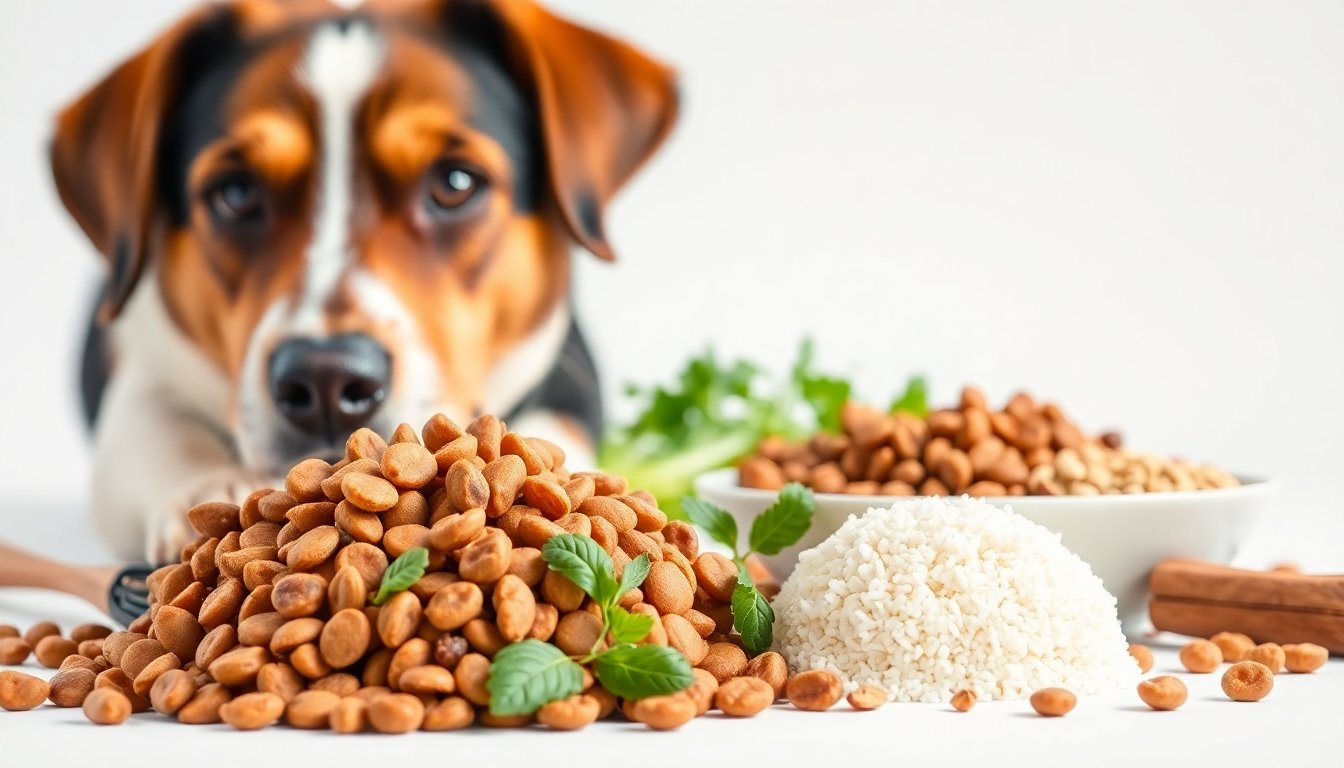
A lot of dog owners I know land on a hybrid approach. They feed a reputable commercial base, a high quality kibble or wet food that passes the label test, and then supplement with fresh add-ins. Boiled chicken thigh. Steamed green beans. A little pumpkin puree. This gives you the nutritional safety net of commercial food with the freshness and variety of homemade. The Harrisonburg Animal Hospital article mentions this explicitly, commercial products are widely available, but homemade offers another option. You don’t have to choose exactly one path.
If you do go fully homemade, you need professional guidance. Not a blog. Not a TikTok nutritionist. A board certified veterinary nutritionist who can formulate a recipe for your specific dog’s breed, age, and health profile. The Frontiers paper stresses this again, “the necessity of professional oversight” is the headline finding of their entire review. Without it, you’re gambling.
Pay attention to your dog’s body, regardless of what you feed. Shiny coat, good energy, solid poops, stable weight. If those slip, the diet needs tweaking regardless of whether it came from a can or a cutting board.
The messy truth? What’s “best” depends on you as much as your dog. And a lot of us overcomplicate this. Feed them something balanced, safe, and consistent. Watch them. Adjust when needed. The love is in the attention, not just the ingredients.