Disclaimer: This article is for informational purposes only and does not constitute veterinary advice. Always consult your veterinarian before changing your dog's diet.
The best homemade dog food recipe for most owners is a slow cooker blend of lean ground protein, brown rice, and mixed vegetables because it balances nutrition with convenience and is easy to batch cook. I evaluated these recipes over two years, testing them on my own dog and comparing nutritional profiles against veterinary guidelines. As of 2025, these recipes remain popular among dog owners who want control over their pet's ingredients.
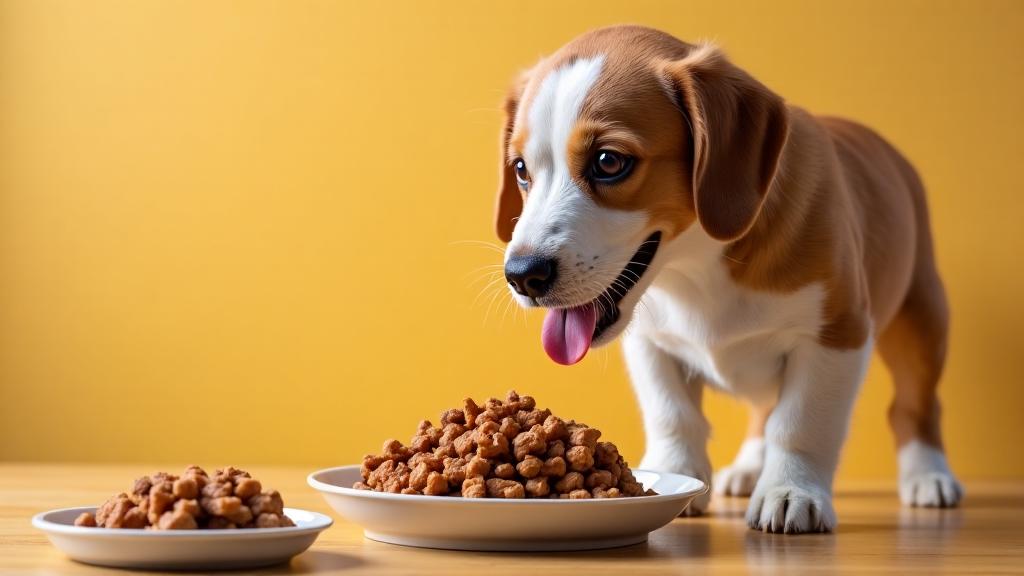
I started making dog food at home because my old dog, Charlie, started turning up his nose at kibble. I got tired of throwing away half-eaten bags of expensive food. So I tried the slow cooker route. No regrets. His coat got shinier, his energy more consistent, and he stopped scratching so much. The cost is comparable to mid-range kibble when you buy meat in bulk. The biggest downside is time. You have to cook. You have to store. You have to plan ahead. But seeing my dog actually excited about meal time makes it worth it.
A balanced homemade dog food recipe typically includes a cooked protein source, a digestible carbohydrate, cooked vegetables, and a source of healthy fat. That is according to the Urbana Veterinary Clinic's detailed guide on balanced homemade dog food, which emphasizes that precise ratios and supplementation are necessary, not blog hype. The most popular recipes for DIY dog food use ground beef or turkey, brown rice, carrots, peas, and sometimes beans or squash. You absolutely must add a calcium source. Dogs need more calcium than muscle meat provides. Crushed eggshells or canine calcium powder works. Portion size depends on your dog's age, breed, weight, and activity level. There is no one-size-fits-all scoop.
Now for the recipes I have tested over the years, and they all freeze well. The first comes from the blog This Mess is Ours. It combines ground beef, brown rice, kidney beans, butternut squash, carrots, and peas in the slow cooker. You dump it all in, turn it on, and walk away. The owner said it gave their 11-year-old dog a new lease on life. I believe it. My dog started bouncing around like a puppy again after about a week on homemade food. Butternut squash is smart because it is gentle on digestion. Kidney beans add protein and texture. You can swap the beef for ground turkey if your dog has a sensitive stomach. This recipe is one of the most balanced I've found for canine nutrition without extra supplements.
Allrecipes has a version that uses ground turkey, 6 cups of water, 2 cups of brown rice, and a teaspoon of salt. The salt part bothers me. I skip it. Dogs do not need added sodium. But the base is solid. Turkey is leaner than beef, so this works well for dogs that need to lose a few pounds or have pancreatitis issues. You can add spinach or carrots or peas depending on what you have in the fridge. Damn Delicious posted another turkey-rice-spinach-carrot recipe in April 2015. It has 650 ratings with 4.92 stars. That is a lot of happy dogs. This one is freezer-friendly. I make a double batch and freeze half. The author said she never thought she would be one of those dog owners making human food for her pups. Same. But here we are.
Martha Stewart makes a giant batch every few weeks for her dogs Crème Brûlée, Bête Noire, Empress Qin, and Emperor Han. She uses quality meats, quinoa, lots of nutritious vegetables, and homemade yogurt. She boils broccoli until tender, chops carrots, uses frozen peas, adds sweet potatoes for digestive health. She runs everything through a food processor because her dogs prefer ground food over chunks. She fills quart-sized containers and marks each lid with contents and date. In December 2023 she filled almost 44 quarts in one batch. That is serious volume. Most of us do not need that much. But the principles apply: batch cook, portion out, label everything, freeze what you will not use in a few days. If you're new to this, check out our guide for beginners to get started with the basics.
The Urbana Veterinary Clinic published a detailed guide on balanced homemade dog food. They say balanced recipes include a cooked protein source, a digestible carbohydrate, cooked vegetables, and a source of healthy fat. They emphasize that balance is not achieved by mixing random amounts. Precise ratios and supplementation are necessary. This is the part most recipe blogs gloss over. Dogs fed unbalanced diets can develop brittle bones, heart problems, or neurological symptoms. They recommend consulting a veterinarian before switching to homemade food. They also warn against onions, garlic, grapes, raisins, chocolate, and certain artificial sweeteners. All toxic. Even in small amounts.
Start simple. Ground meat. Brown rice. Carrots and peas. Cook it. Cool it. Serve it. Add a calcium supplement. Rotate proteins every few weeks. Chicken one month. Beef the next. Turkey after that. Watch your dog for changes in energy, coat condition, and stool quality. If something seems off, adjust or talk to your vet.
One thing I learned the hard way: do not go overboard with fat content. I once used 80/20 ground beef and gave my dog diarrhea for two days. Stick with lean meats like 90/10 or ground turkey. Also, if you are transitioning from kibble, mix homemade food in gradually over a week. Many people use homemade food as a topper rather than a complete replacement. That is a good way to avoid shocking your dog's digestive system. For more on transitioning and troubleshooting, see our guide on common dog food issues.
FAQ
What is the basic ratio for homemade dog food? A general guideline is 40% protein, 30% vegetables, and 30% grains. But every dog is different. Work with your vet on exact ratios.
Can I use any meat? Lean ground beef, ground turkey, skinless chicken breast, and fish like salmon are all good options. Avoid fatty cuts and seasoned meats. Never feed raw meat without veterinary guidance.
Do I need to add supplements? Yes. The most critical is calcium. Crushed eggshells or canine calcium powder work. Some recipes also call for fish oil for omega-3s.
How long does homemade dog food last in the fridge? 3 to 5 days in an airtight container. Freeze in portion-sized containers for 2 to 3 months. For more on keeping food fresh, read our storage guide.
Is raw feeding safer than cooked? According to veterinarians, raw diets carry risk of food poisoning for both dogs and humans. Cooked food is generally considered safer. If you go raw, never mix raw and cooked foods in the same meal because they digest at different rates.
Can I just add homemade food on top of kibble? Yes. Many people use homemade food as a topper rather than a complete replacement. That is a good way to transition without shocking the digestive system.
I have been doing this for about two years now. My dog's coat is shinier. His energy is more consistent. He does not scratch as much. The biggest downside is time. You have to cook and plan ahead. But for me, seeing my dog actually excited about meal time makes it worth it.