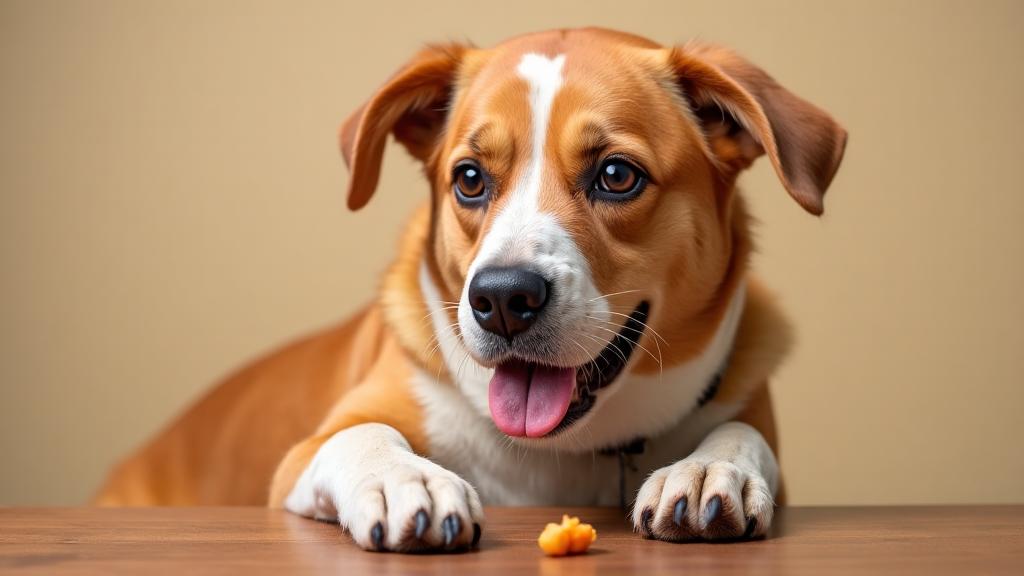
Food aggression, also called resource guarding, is a common but manageable behavior. Dogs may guard their food bowl, treats, chews, or even dropped crumbs. This article provides a step-by-step decision framework, backed by veterinary and animal-behavior sources, to help you address it safely.
> Important: Before starting any training, consult your veterinarian to rule out medical causes and ensure your dog is healthy enough for behavior modification.
Quick Answer
Train food aggression by first recognizing warning signs, then systematically using hand-feeding and trade exercises to teach your dog that human presence near food leads to good outcomes. If the behavior is severe or involves children, seek professional help immediately.
Identifying Food Aggression: Warning Signs
Watch for these signals during mealtime or when your dog holds a treat:
- Standing stiffly over the bowl
- Gulping food rapidly
- Tensing or freezing when approached
- Growling, staring, or showing teeth
- Snapping or biting Dogs with food aggression are more protective over high-value items (e.g., canned food, pig’s ears) than over dry kibble.
Decision Framework: Your 5-Step Training Plan
Use this ordered framework. Each step builds on the previous one.
Step 1: Create a Safe Environment
- Feed your dog in a separate room, crate, or behind a barrier if needed.
- Do not punish or intimidate a guarding dog; this can increase aggression.
- For mild cases, simply leaving your dog alone while eating may be sufficient.
Step 2: Teach “Sit and Wait” Before Meals
Before placing the bowl down, ask your dog to sit and wait. This reinforces that you control the resource. Start with a few seconds, then release with a cue like “okay.”
Step 3: Hand-Feeding Exercises
Hand-feed your dog its regular meals one kibble at a time. This builds positive association with your hands near food. If your dog shows stiffness or growling, stop and consult a trainer.
> Note: Hand-feeding must be done carefully. If your dog has strong guarding instincts, being touched while eating may increase defensiveness. Always watch for signs of stress.
Step 4: Practice Trades
Trade your dog a high-value treat (e.g., a small piece of chicken) for whatever it is guarding. This teaches that giving up an item leads to something better, not loss.
- Offer the treat near the dog’s mouth.
- As the dog drops the guarded item, say “drop it.”
- Pick up the original item, then immediately return it after a few seconds.
- During week one, only hand-feed.
- In week two, start Food Bowl Training: place an empty bowl on the floor, drop in a few kibbles, then stand nearby while your dog eats. Gradually add more food and reduce distance.
- In week three, add Delicious Chew Toy Training using the same trade method.
- The dog has bitten or caused injury.
- Children live in the home; they are at higher risk of being bitten because they may not recognize warning signals.
- The behavior does not improve after two weeks of consistent training.
- ASPCA, "Food Guarding" – https://www.aspca.org/pet-care/dog-care/common-dog-behavior-issues/food-guarding
- Best Friends Veterinary Hospital, "Understanding Dog Food Aggression and How to Manage It" – https://bestfriendsvet.org/blog/dog-food-aggression
- Best Friends Animal Society, "Food Aggression in Dogs: Management" – https://bestfriends.org/pet-care-resources/food-aggression-dogs-management
- Tufts Collaborative for Shelter Dogs, "Food Aggression" – https://sites.tufts.edu/collaborativeforshelterdogs/dog-behavior/problems-and-management/food-aggression
- MN Dog Training, "How to Deal with Dog's Food Aggression" – https://www.mndogtraining.com/articles/dog-food-aggression
- VCA Animal Hospitals, "Food Bowl Aggression in Dogs" – https://vcahospitals.com/know-your-pet/food-bowl-aggression-in-dogs
- Wayside Waifs, "Food Aggression/Resource Guarding" – https://secure.waysidewaifs.org/site/DocServer/FOODAGGRESSION15.pdf?docID=3486
Repeat until your dog willingly allows you to remove the bowl or chew.
Step 5: Progress to Bowl Training (If Needed)
If your dog guards the food bowl, use this sequence adapted from the Tufts Collaborative for Shelter Dogs:
When to Seek Professional Help
A certified behavior consultant or veterinary behaviorist can create a tailored plan.
Practical Takeaways
| Action | Purpose |
|---|---|
| Recognize warning signs | Know when to stop an exercise |
| Hand-feed and trade | Build positive associations with human presence |
| Use “sit and wait” | Establish you as the resource controller |
| Avoid punishment | Prevents escalation of fear and aggression |
| Involve a professional when needed | Ensures safety for everyone |
Food aggression can improve with patience, consistency, and the right techniques. Every dog is different, so always prioritize safety and consult your veterinarian or a qualified trainer when in doubt.