By Alex Martin, Long-Time Labrador Owner and Pet Nutrition Advocate
Last updated: March 2025
The best food for a Labrador dog is one that's high in quality animal protein and low in fillers. Labs are genetically prone to obesity. According to the American Kennel Club, over 50% of Labradors are overweight or obese, which makes diet critical. They need a diet that supports lean muscle without packing on pounds.
I've owned Labradors for over fifteen years. I've tried kibble, raw, fresh delivery services, and everything in between. Some of it was great. Some of it was overpriced garbage. Here's what I've learned after testing more than a dozen foods across five years, evaluating each based on ingredient quality, my dog's coat condition, energy levels, and stool quality.
What's the Best Protein for Labradors? Fresh vs. Kibble
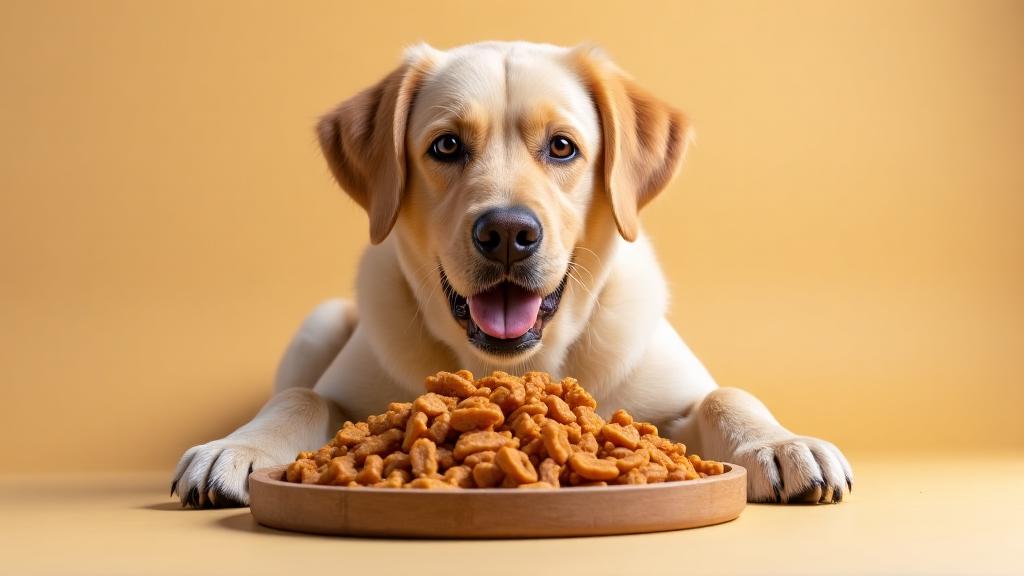
Every Lab owner knows the look. That dopey, hopeful face staring at you while you eat a sandwich. Your Lab would eat a brick if you put gravy on it. Labradors evolved as working dogs. They were bred to retrieve game all day, swim in cold water, and then run home for dinner. That takes serious muscle. They require plenty of real meat protein like chicken, fish, or lamb.
When you're scanning ingredient labels, stop looking at the fancy packaging. Flip the bag over. The first ingredient should be a named meat. Chicken. Salmon. Lamb. If you see "chicken meal" or "meat and bone meal" as the first ingredient, put it back on the shelf. The World Small Animal Veterinary Association (WSAVA) recommends that complete and balanced diets meet AAFCO nutrient profiles. Real meat as the first ingredient is a good sign, but the food should also carry an AAFCO statement of nutritional adequacy.
I learned this the hard way. I fed my first Lab a budget brand for two years. He was chubby, his coat was dull, and his poop was a crime scene. I switched to a food with real chicken as the first ingredient. Within a month, he lost weight, his coat got shiny, and the poop situation improved drastically. Not a scientific study, but my nose agrees.
Look, kibble is convenient. You open a bag, you pour it into a bowl, you're done. That's why most people feed it. But for Labs, kibble has real downsides. Highly processed kibble can contribute to joint problems and obesity. The nutrients in shelf-stable kibble degrade over time. Even if kibble contains healthy omega-3 fatty acids, they can go rancid sitting on the shelf. Fresh food from a service like The Farmer's Dog solves that. Each meal is pre-portioned, which helps with weight control. Labrador retrievers are especially vulnerable to obesity. Being even a little overweight increases their odds of developing arthritis, diabetes, and cancer. As of 2025, fresh food delivery services continue to gain popularity among Labrador owners for their convenience and nutritional quality.
I once fed my Lab a raw egg every morning for a month. His coat got so shiny I could see my reflection. Then I read about salmonella risks. I stopped. But his coat never looked as good. Fresh food is a happy medium.
Royal Canin makes a breed-specific kibble for Labs. The kibble shape is designed for a Lab's broad muzzle. The nutrient profile is tailored for their common health issues. If you're going to feed kibble, breed-specific formulas are probably your best bet. But honestly, I think fresh food wins for long-term health. Veterinary nutritionists often recommend brands that meet WSAVA guidelines, such as Purina Pro Plan, Hill's Science Diet, and Royal Canin. These have undergone rigorous feeding trials and research.
How Much Should I Feed My Labrador? A Step-by-Step Guide
This depends on your dog's weight, age, and activity level. A lazy couch potato Lab needs less than a field trial champion. For an adult Labrador, a 60 to 65 pound Lab needs around 270 to 300 grams of dry food per day. A 70 to 75 pound Lab needs around 300 to 335 grams per day. A 80 to 85 pound Lab needs around 330 to 365 grams per day. These numbers are just starting points. Adjust based on your dog's body condition. You should be able to feel your Lab's ribs without pressing hard. If you can't, cut back on food. If the ribs are sticking out, feed more.
To switch your Lab's food, do it slowly. Start by mixing 25% new with 75% old for three days. Then go half and half for days four through six. Then 75% new and 25% old for days seven through nine. On day ten, feed 100% new food. If your Lab gets diarrhea or starts vomiting, slow down. Stick with the current ratio for a few extra days.
Why Is Calcium Dangerous for Labrador Puppies?
This is a mistake I made with my first Lab puppy. I thought more calcium meant stronger bones. Wrong. Too much calcium can cause joint issues like OCD (osteochondritis dissecans) in growing puppies. The ideal ratio is about 1:1 calcium to phosphorus. Most quality puppy foods get this right. Don't supplement calcium on top of a complete diet. You will do more harm than good. According to veterinary nutrition guidelines, large breed puppies like Labradors are especially sensitive to calcium imbalances, which can lead to skeletal abnormalities. For a deeper dive into puppy nutrition, check out our complete guide to growing strong.
What I Feed My Labrador: My Current Routine
I use a mix. Fresh food from The Farmer's Dog for main meals. The pre-portioned packs make it easy to control calories. The ingredients are human-grade, which means I could technically eat it. I haven't tried. But my Lab loves it. For training treats, I use The Honest Kitchen's grain-free beef recipe. It's dehydrated and shelf-stable with simple ingredients: real beef, produce, minerals. No by-products. On days when I'm traveling or lazy, I keep a bag of Royal Canin Labrador Retriever Adult as backup. It's not as good as fresh food. But it's better than most kibble because it's formulated specifically for the breed.
Feed two meals a day for adults. Puppies under six months need four meals. Don't free-feed. Labs will eat until they puke. Measure every portion. Use a slow feeder bowl. Labs inhale food. A slow bowl forces them to actually chew. It reduces bloat risk and makes mealtime last longer than 8 seconds. Treats count as food. If you're giving your Lab a lot of training treats, reduce their meal size accordingly. I keep a jar of baby carrots in the fridge. My current Lab thinks they're the greatest thing ever. No calories from fillers. Watch for bloat. Symptoms include a distended stomach, unproductive retching, and restlessness. If you feed kibble, don't exercise your dog immediately after a meal. The risk is small, but it's real.
Frequently Asked Questions About Labrador Dog Food
What is the best dog food for a Labrador? High in quality animal protein, moderate in fat, low in carbs. Fresh food from services like The Farmer's Dog or breed-specific kibble from Royal Canin are top options. Brands that meet WSAVA guidelines are also reliable. For a broader overview of what works across different needs, see our ultimate dog food buying guide.
How much protein does a Labrador need? Plenty. Look for real meat protein like chicken, fish, or lamb as the first ingredient. AAFCO recommends a minimum of 18% protein for adult dogs, but Labs often benefit from 25-30%.
Can I feed my Labrador raw food? Yes, but it requires careful planning and good hygiene. Many owners report healthier coats and better digestion. However, the American Veterinary Medical Association warns about potential bacterial contamination for both pets and humans.
Should I feed my Labrador puppy a different food? Yes. Use a large breed puppy formula with controlled calcium and phosphorus levels. Avoid too much calcium. Most reputable brands have appropriate formulas.
How do I prevent my Labrador from getting fat? Feed measured portions, avoid free-feeding, use a slow feeder bowl, and keep treats minimal. Pre-portioned fresh food helps a lot. Regular exercise is also essential.
Is grain-free food better for Labradors? Not necessarily. Some Labs do well, others don't. Focus on real meat and low fillers rather than the grain-free label. The FDA has investigated a potential link between grain-free diets and dilated cardiomyopathy (DCM) in dogs, so consult your vet. For more on this topic, check out our best grain-free dog food guide.
I've spent years figuring out what works for Labradors. Feed real meat, keep carbs low, measure everything, use a slow bowl. Your Lab will be happier, healthier, and you'll have fewer smelly poops to pick up. That's a win for both of you.
Disclaimer: This article is for informational purposes only and does not substitute professional veterinary advice. Always consult your veterinarian before making changes to your dog's diet.