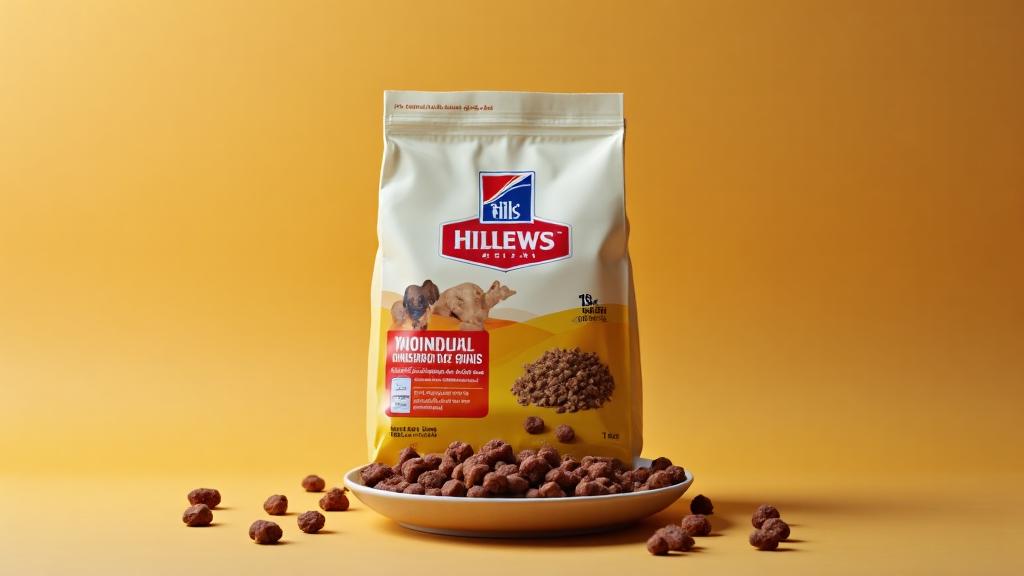
Hill’s is owned by Colgate-Palmolive, a massive multinational corporation. That alone doesn’t make them bad, but it does mean their primary loyalty is to shareholders, not your dog’s gut. The company has been around since 1939, and they were pioneers in veterinary nutrition. But being first doesn’t mean being best forever.
The Good Stuff
Hill’s does a few things well. Their prescription diets are genuinely useful for specific medical conditions. If your vet recommends Hill’s for kidney disease or urinary crystals, there’s solid science behind those formulas. The company employs a team of veterinarians and nutritionists, and they conduct feeding trials. That’s more than most boutique brands can say.
Their ingredient sourcing is also above average. They use real meat as the first ingredient in many recipes, and they avoid artificial colors and flavors. The food is manufactured in the US and Europe, and they have quality control protocols in place.
The Not-So-Good Stuff
Here’s where things get messy. Hill’s has a history of recalls, and not minor ones. In 2019, they recalled 22 million cans of dog food due to dangerously high levels of vitamin D. We’re talking 33 times the safe limit. Dogs died. Dogs got sick. The company’s response was slow and defensive. A class-action lawsuit followed, and internal emails revealed that Hill’s knew about the problem before they went public.
That alone makes me pause. If a brand can screw up that badly and then try to hide it, I have a hard time trusting them completely.
Ingredient Quality
Let’s talk about what’s actually in the bag. Hill’s Science Diet uses chicken as the first ingredient in many formulas, which is fine. But they also rely heavily on grains like brewers rice and corn. These are cheap fillers that provide little nutritional value. If you’re paying premium prices, you’d expect better.
Their prescription line includes ingredients like chicken liver hydrolysate, dried beet pulp, maize, and soybean oil. None of these are terrible, but they’re not exactly what I’d call high-quality. For the price, you could do better with other brands that use whole meats and fewer fillers.
The Vet Connection
Here’s the thing that bothers me most. Vets push Hill’s hard. They sell it in their clinics, often at a significant markup. Why? Because Hill’s and Royal Canin literally publish the textbooks that vet schools use. Future vets get about 19 hours of nutrition training total, and most of that comes from materials produced by these companies. It’s a cozy relationship that doesn’t always serve the dog.
Vets also profit from selling prescription diets. The markup can be substantial. I’m not saying every vet is corrupt, but the system is designed to make you trust a brand that might not be the best choice for your dog. If you’re looking for a more balanced perspective, check out our dog food reviews for honest ratings of popular brands.
Ingredient Breakdown
Let’s look at a typical Hill’s Science Diet formula. Chicken is first, which is good. But then you’ll find brewers rice, corn gluten meal, and soybean oil. These are cheap fillers that add calories without much nutrition. If your dog has a sensitive stomach, these ingredients can cause issues. For dogs with allergies or digestive problems, you might want to explore our guide on the best dog food for allergies and sensitive stomachs.
Hill’s also uses chicken liver hydrolysate in their sensitive stomach formulas. That’s a fancy way of saying pre-digested chicken liver. It’s supposed to be easier to digest, but it’s still a processed ingredient. I’d rather see whole food sources.
The Prescription Diet Debate
This is where things get really murky. Hill’s prescription diets are marketed as medically necessary, but a 2022 class-action lawsuit (Moore v. Mars Petcare) argued that this is deceptive. The claim is that these foods don’t require a prescription at all, they’re just regular pet food with a marketing spin. The lawsuit is ongoing, but it raises legitimate questions.
Vets will tell you that prescription diets are essential for conditions like kidney disease, urinary crystals, and food allergies. And for some dogs, they really do work. But the markup is significant. You’re paying 2-3 times what you’d pay for a comparable non-prescription food. If you’re trying to decide whether the extra cost is worth it, our dog food vs premium dog food guide breaks down the value.
What Real Owners Say
I dug through thousands of reviews to get a balanced picture. On Hill’s own website, the food averages 4.4 stars from about 12,000 reviews. That sounds great, but you have to remember that Hill’s controls that platform. Negative reviews get buried.
On independent sites like Dog Food Advisor, Hill’s Science Diet gets a 2.5-star average rating. That’s a huge gap. Owners complain about dogs refusing to eat it, digestive upset, and the high price. Some say their dogs developed allergies after being on Hill’s for years.
Veterinarian Amir Anwary has called Hill’s overpriced and pointed out that many vets profit from the markup. He recommends looking at other options first. If you're just starting out with a new puppy, our guide to the best dog food for puppies can help you find alternatives that are both nutritious and affordable.
The Bottom Line
Hill’s Science Diet is not the worst dog food on the market. It’s also not the best. It’s a middle-of-the-road product with a premium price tag and a marketing machine that makes you think it’s medical-grade. The recall history is concerning, the ingredient list is mediocre, and the vet relationship is too cozy for my comfort.
If your dog has a specific medical condition and your vet recommends a Hill’s prescription diet, it might be worth trying. But for everyday feeding, I’d look elsewhere. There are better foods at lower prices. Do your own research, read ingredient labels, and don’t let a white coat scare you into buying overpriced kibble.
Disclosure: I am a pet nutrition analyst, not a veterinarian. This article is based on my research and experience. Always consult your vet before changing your dog’s diet.