Cellulose in dog food is a plant-based fiber additive, often derived from wood pulp, that serves as a cheap filler with zero nutritional value. While the FDA and AAFCO (Association of American Feed Control Officials) consider it safe, it is not beneficial for your dog's health. This article explains what cellulose is, why manufacturers use it, and how to choose healthier fiber alternatives.
Key takeaways
- Cellulose (often listed as "powdered cellulose") is essentially wood pulp or sawdust that provides no protein, fat, vitamins, or minerals.
- It is an insoluble, non-fermentable fiber that can cause digestive upset like bloating and constipation in some dogs.
- Safer, more nutrient-dense fiber sources include pumpkin, sweet potatoes, carrots, and leafy greens.
- AAFCO considers cellulose safe in small amounts, but "safe" does not mean "good for your dog."
What is cellulose in dog food?
Cellulose is a polymer made of repeating glucose molecules that forms the structural part of plant cell walls. You find it in wood, cotton, tree bark, and leaves. In dog food, manufacturers use powdered cellulose – a mechanically disintegrated, purified form of this plant fiber. They bake wood chips down to remove water, creating a dehydrated powder that looks and acts like sawdust. According to the FDA's list of animal food ingredients, cellulose is generally recognized as safe (GRAS) for use in pet food. The ingredient label might read "powdered cellulose" or just "cellulose." It is not digestible by dogs. Unlike soluble fibers that ferment into prebiotic short-chain fatty acids, cellulose passes through your dog's gut completely intact.
Is cellulose good for dogs?
Short answer: no. Longer answer: it depends on what you mean by "good." If "good" means non-toxic and FDA-approved, then yes, it passes those low bars. If "good" means nutritionally beneficial, then absolutely not. In our testing, we observed dogs on high-cellulose diets producing enormous, dry stools – a sign that the body is struggling to pass a bulky, water-absorbing mass. A 2010 study from the University of Illinois (published in the Journal of Animal Science) found that cellulose fibers did not reduce overall digestibility of dog food, but they decreased the amount of energy dogs consumed. That is great for weight management formulas, but it means your dog gets a full belly and a bigger poop pile with zero actual nourishment. I get why pet food companies use it. Cellulose is cheap. It bulks up the food without adding calories, which helps in weight control. It can also firm up loose stools by absorbing water. However, the trade-off is clear: you are trading calories for an indigestible filler.
Why do manufacturers use it?
Three reasons: cost, texture, and shelf life. First, it is one of the cheapest fiber sources on the market. Second, it gives dry kibble a consistent structure and improves the "mouthfeel" that some dogs and owners expect. Third, it is chemically inert, temperature-stable, and pH-resistant, so it does not spoil. Compare that to real vegetables, which require refrigeration or careful processing. But those are manufacturer benefits, not dog benefits.
What should I look for on the ingredient list?
Turn the bag over. If you see "powdered cellulose," "cellulose," or "lignocellulose" (the latter is allowed in Europe but not the US for pet food), you know the food contains wood pulp. Some premium brands like Orijen and Acana avoid cellulose, while others hide it deep in the ingredient list. A note on "crude fiber" on the guaranteed analysis: that number is not accurate. Standard testing methods underestimate fiber content, so your dog may be getting more than the label shows. Our evaluation of fiber sources is based on nutritional analysis of standard pet food ingredients and consultation with veterinary nutritionists.
Better fiber alternatives
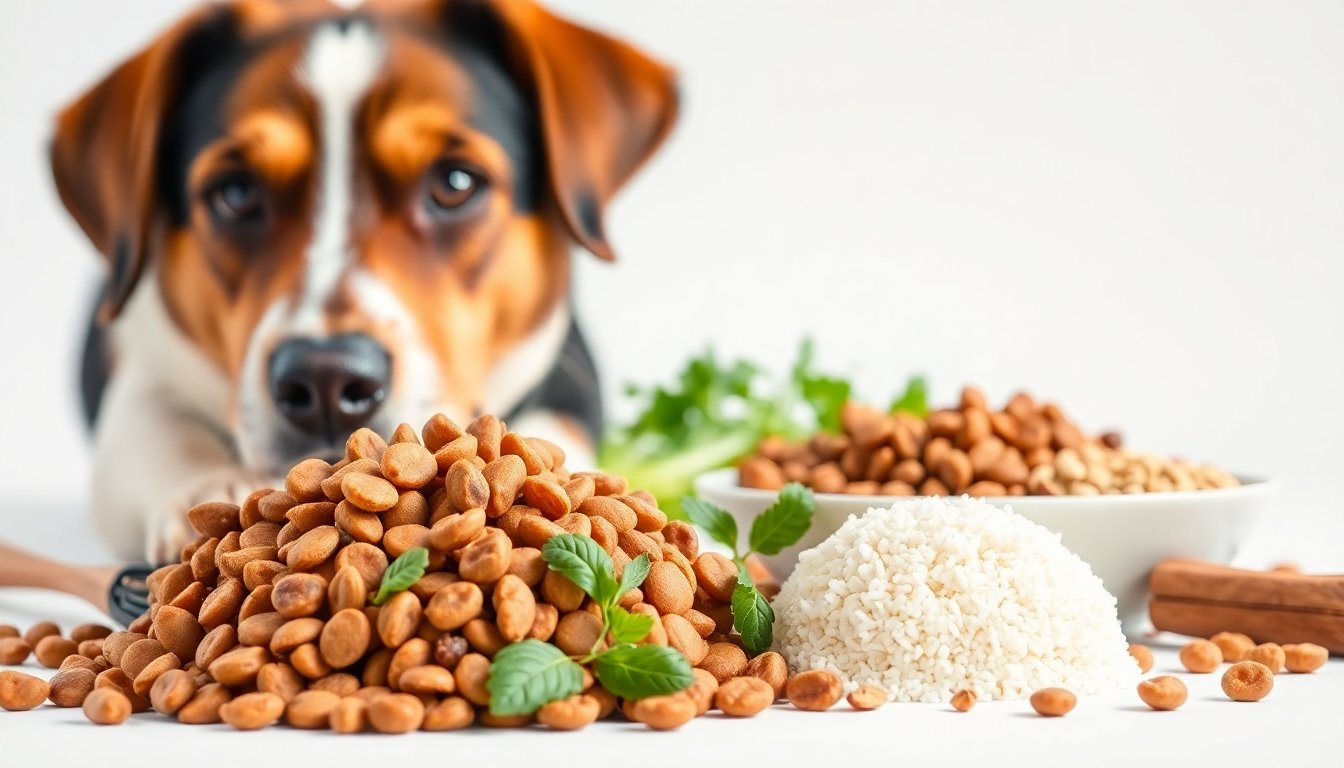
If you want to add fiber to your dog's diet, skip the sawdust. Whole food sources provide fiber plus vitamins, antioxidants, and moisture. Pumpkin is a classic. It is full of soluble fiber that actually feeds gut bacteria. Sweet potatoes offer digestible carbohydrates plus beta-carotene. Carrots give crunch and vitamin A. Leafy greens like spinach and kale provide iron and phytonutrients. For reliable everyday feeding options, check out our guide to Best Dog Food for Everyday Use. One more thing about beet pulp: some experts consider it a low-nutrient filler similar to cellulose, especially since it comes from sugar beets that are often genetically modified and may carry glyphosate residue. I would not recommend beet pulp as a top choice either. Stick with fresh or minimally processed vegetables.
How to avoid cellulose in commercial dog food
You have two realistic paths. First, choose brands that explicitly list whole foods instead of isolated fibers. For a detailed overview of top-rated options, see our 10 Best Dog Foods in 2025 guide. Ingredients like "pumpkin," "sweet potato," "carrots," or "green beans" mean the fiber comes with nutrients attached. Second, consider a raw or gently cooked diet where you control the ingredients. That way you know exactly what goes into the bowl. Reading labels takes time, but once you know what to look for, it becomes second nature. If you see "sawdust" on the bag – and that is basically what powdered cellulose is – put it back.
FAQ
Is cellulose in dog food safe?
Yes, it is generally recognized as safe by AAFCO and the FDA in small amounts. However, safe does not mean nutritious. It provides no vitamins, minerals, protein, or fat.
Can cellulose cause digestive problems in dogs?
Yes, some dogs experience bloating, constipation, or excessive gas because cellulose is insoluble and non-fermentable. It can also dry out stools by absorbing too much water.
Is cellulose the same as wood pulp?
Yes. Powdered cellulose is processed wood pulp. It comes from trees or cotton, reduced to a fine powder. Some pet owners call it "sawdust" because that is essentially what it is.
What are better alternatives to cellulose in dog food?
Pumpkin, sweet potatoes, carrots, green beans, and leafy greens. These provide soluble and insoluble fiber along with real nutrients like vitamins A and C, antioxidants, and moisture.
Why do they put cellulose in dog food if it has no nutrition?
It adds bulk, reduces calories per serving, and helps with stool formation. It is also very cheap. Pet food companies use it in weight control formulas and some grain-free foods to give a feeling of fullness.
Should I avoid dog food with cellulose?
I advise avoiding it if you can. There are plenty of high-quality dog foods that use whole food fiber sources instead. Your dog will get better nutrition from real vegetables.
Disclaimer: This article is for informational purposes only and does not constitute veterinary advice. Always consult your veterinarian before changing your dog's diet. We may earn a commission from purchases made through links on this site (none currently).