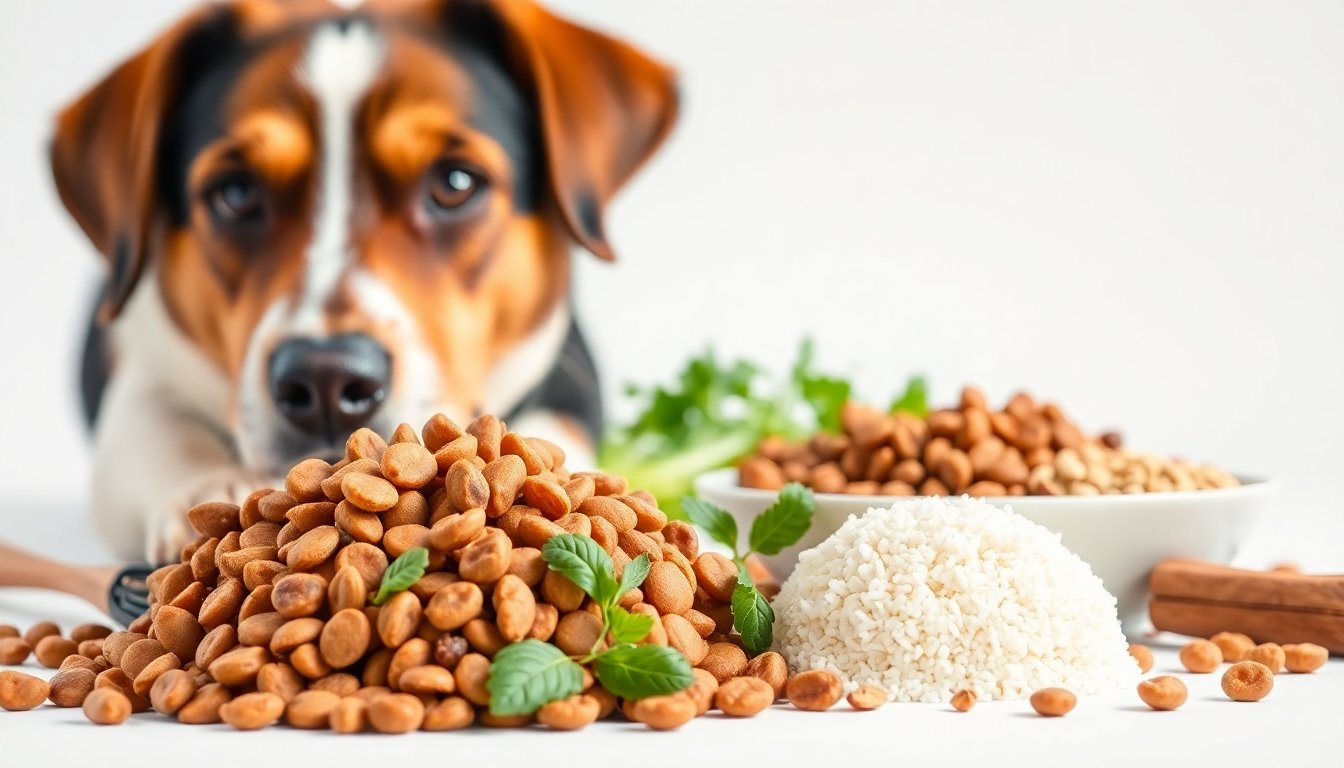
First, let’s get the basics straight. Lentils are legumes, think beans and peas but smaller. They’re packed with plant protein, fiber, and a decent amount of iron. In dog food, they’re often used as a carbohydrate source that’s lower on the glycemic index compared to stuff like white rice or potatoes. That matters if you’re trying to manage your dog’s weight or blood sugar.
Now, the elephant in the room: the 2018-2019 FDA investigation into a potential link between grain-free diets and DCM. The FDA flagged lentils, along with other legumes, as possibly interfering with taurine absorption. As of early 2025, no study has proven direct causation. But the correlation has made a lot of owners decide to stick with foods that use more traditional carbs like oats or barley. If you’re worried, it’s worth checking out our <a href="/dog-food-buying-guide">dog food buying guide</a> which explains how to evaluate carbs and other ingredients.
But here’s where I get a little opinionated: I don’t think lentils are inherently dangerous. Plenty of dogs have eaten lentil-heavy formulas for years with no issues. The panic, in my view, is partly overblown. Still, if your dog is a DCM-prone breed (think Dobermans, Great Danes, or Cocker Spaniels), you might want to be more cautious. Some vets recommend ensuring the food contains added taurine if it’s heavy on legumes. For those looking for alternative options, you can browse our <a href="/best-dog-foods-2025">best dog foods in 2025</a> list, which includes formulas that balance proteins and grains well.
What about homemade diets? If you’re cooking lentils yourself for your dog, always cook them thoroughly. Raw or undercooked lentils contain lectins that can cause upset stomach. Also, remember that lentils aren’t a complete protein, they lack certain amino acids dogs need. So they should never be the main event. Use them as a supplement, not a replacement for quality meat.
One more thing: lentils are better than peas from a sugar standpoint. Peas have a higher sugar content, which can be a problem for dogs with diabetes or those prone to yeast infections. So if your dog’s food has lentils instead of peas, that’s often a plus. For dogs with sensitive stomachs, some of the <a href="/best-dog-food-for-allergies-sensitive-stomach">best dog foods for allergies and sensitive stomach</a> incorporate lentils in limited amounts to reduce other common allergens.
At the end of the day, lentils in dog food aren’t something to lose sleep over. If your dog thrives on a grain-free lentil formula, great. If you’re uneasy, there are plenty of grain-inclusive options. Talk to your vet, read labels, and trust what works for your specific dog. That’s the real answer they don’t always put on the bag.