Key Takeaways:
- Corn is NOT a "hot grain" that causes stomach upset; pets digest it safely and easily.
- Cooked corn starch is efficiently digested by dogs, just like in humans.
- Corn provides protein, carbohydrates, and energy, and works well in extruded kibble.
- The negative reputation of corn is driven more by marketing than science.
If you’ve been on any dog food forum or Facebook group lately, you’ve seen it. Someone posts about a brand full of corn, and within minutes the comments fill up. “Corn has no nutritional value.” “Dogs can’t digest it.” “It’s just a filler.” I’ve even had a vet tell me to avoid it. So what’s the real story?
Let’s cut through the noise. I’m going to tell you what the actual research says, and why I think corn gets a bad rap it doesn’t deserve.
What Is Maize in Dog Food?
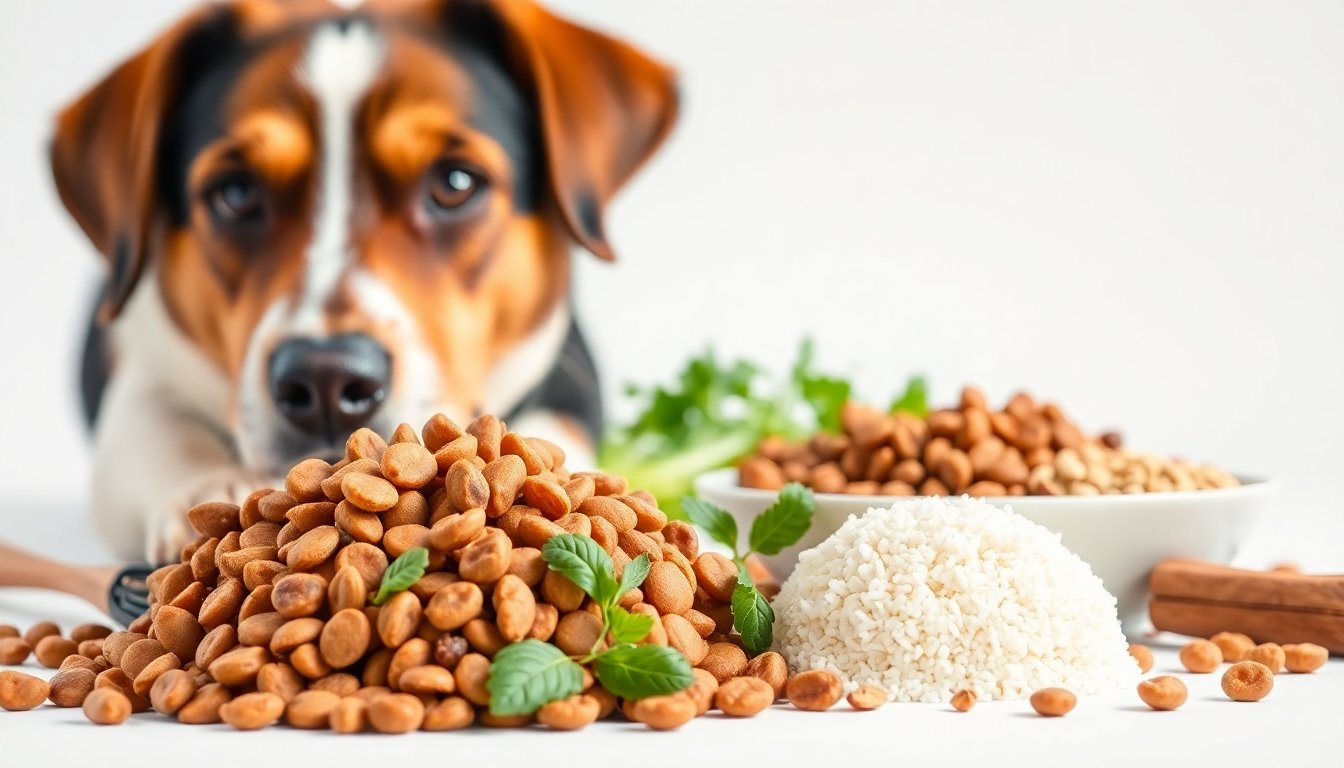
Maize is just corn. It’s the same grain you see in fields, but processed for kibble. In dry dog foods, it’s used as an alternative to rice, oats, or barley. A lot of big brands use it because it’s affordable, available, and works well when you extrude it into crunchy pieces. But that doesn’t mean it’s bad.
Is Corn Good for Dogs? Let’s Look at the Science
Here’s where it gets interesting. A 2022 review in Critical Reviews in Food Science and Nutrition looked at decades of research on corn in pet food. Published by Alvarenga et al. and cited by 38 other studies, it concluded that corn is well digested by both dogs and cats and provides real nutrients. It’s not “empty calories.” It contains protein, carbohydrates, and even carotenoids that may support immune health.
And the digestion thing? The AKC says dogs can efficiently digest cooked starch from corn. Raw starch is about 60% digestible, but cooked starch, the kind in kibble, is much higher. Your dog’s body handles it the same way yours does.
Hill’s Pet Nutrition puts it bluntly: corn is not a “hot grain” that causes gastrointestinal upset. It’s easily digested. They reviewed the literature and found corn is safe.
But wait, there’s a catch. A lot of the vocal support for corn comes from the pet food industry itself, as All About Dog Food notes. Critics, including some canine nutritionists, say corn can lead to allergies or intolerance. And that’s fair. Individual dogs can react to anything. But is corn more likely to cause allergies than, say, chicken or beef? The data doesn’t support that.
The Filler Myth
This is the one that drives me crazy. People call corn a filler. But if corn provides digestible calories, protein, and helps keep kibble structurally sound, is it really a filler? In my opinion, a true filler is something that passes through with zero value, like ground peanut shells or cellulose powder. Corn is not that.
Actually, I take that back. Some low-quality brands might use whole corn that’s less processed, but most pet food uses corn gluten meal or other co-products that retain quality protein. The PubMed review confirms these co-products are nutritious.
Who Should Worry About Corn?
Honestly, most dogs don’t need to avoid corn. If your dog has a confirmed grain allergy (rare in dogs, more common in cats), then yes, skip it. But true corn allergies are uncommon. If your dog has a sensitive stomach and you suspect corn, try a limited-ingredient diet for a month and see. But don’t panic over corn.
How to Choose a Corn-Based Dog Food
I’ve looked at a lot of formulas. If you’re okay with corn, here’s what I’d look for:
- A named meat protein (chicken meal, lamb meal, etc.) as the first ingredient.
- Corn listed after the protein source, not as the main ingredient.
- Avoid brands that use corn as cheap bulk filler alongside low-quality by-products.
- Look for whole corn or corn gluten meal, not “corn bran” or “corn syrup solids” (those are different).
Some good examples are Hill’s Science Diet and Purina Pro Plan, both of which use corn in many formulas and have decades of research behind them.
But My Vet Said…
I hear this a lot. And look, vets are experts in medicine, but nutrition training in vet school is still limited. Some vets pass along the same marketing myths. If your vet says “corn has no nutrients,” they’re wrong. The research says otherwise. A Facebook post in a homemade dog food group actually has a vet saying corn has “no nutritional value.” That’s just not backed by science.
Bottom Line
Corn is safe. It’s digestible. It provides energy and some nutrients. The bad reputation is largely from clever marketing by grain-free brands trying to stand out. If your dog does well on a corn-based food, don’t let internet hype convince you to switch.
FAQ
Is corn a common allergen for dogs? No. True corn allergies are rare. The most common food allergens in dogs are beef, dairy, and chicken.
Can dogs digest corn? Yes. Cooked corn starch is efficiently digested by dogs. Raw starch is about 60% digestible, but cooking raises that significantly.
Does corn have any nutritional value for dogs? Yes. It provides carbohydrates, protein, and some fiber. The 2022 review confirms it’s a source of nutrients, not a filler.
Is grain-free dog food better than corn-based food? Not necessarily. The FDA has investigated a potential link between grain-free diets and canine dilated cardiomyopathy (DCM). Corn-based foods are not linked to that risk.
What is the difference between whole corn, corn gluten meal, and corn bran? Whole corn is the whole grain. Corn gluten meal is a protein-rich co-product of processing. Corn bran is the fibrous outer layer. All can be used in pet food, but they have different nutritional profiles.