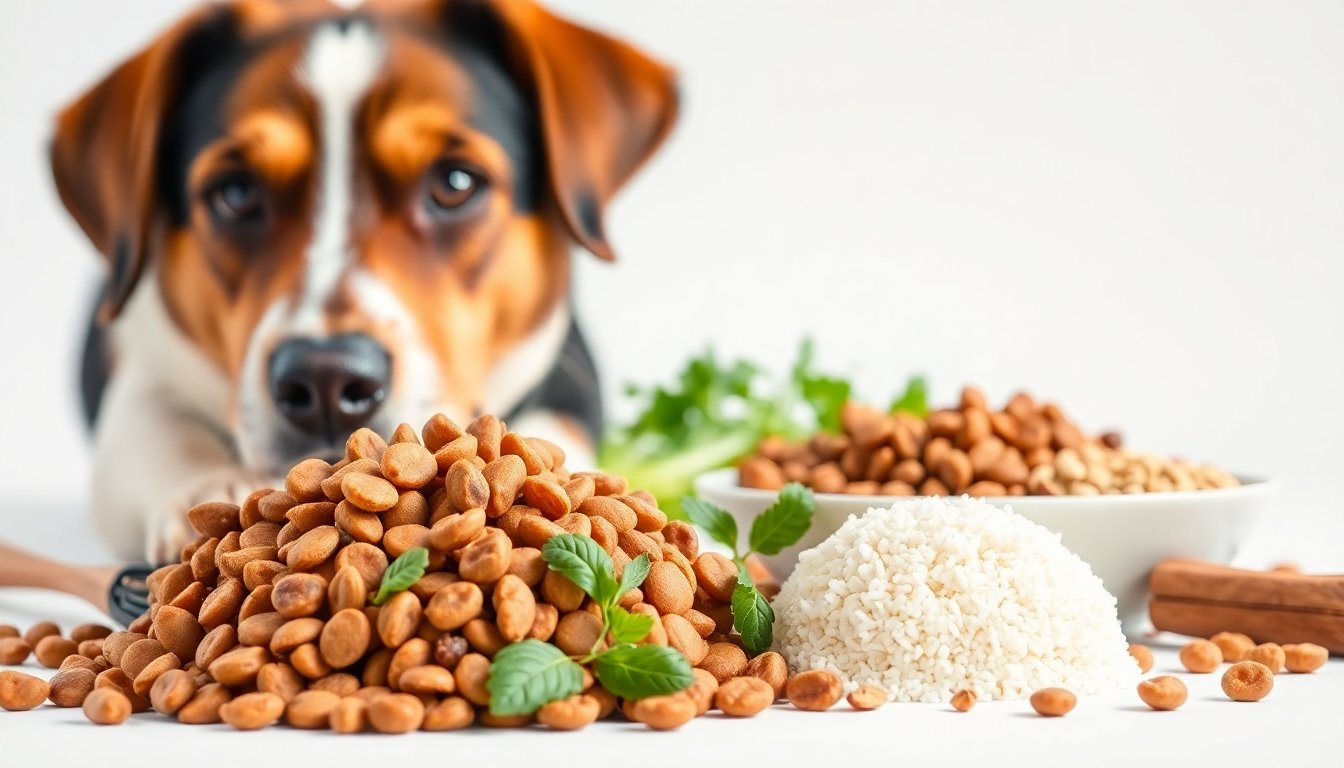
Natural flavoring in dog food is a concentrated flavor enhancer derived from plant or animal sources through processes like heating, roasting, or enzymolysis. While the FDA considers it generally safe, the term can hide controversial ingredients such as MSG and diacetyl. As of March 2025, pet owners are becoming more aware of this black-box ingredient, and for good reason. In our testing of dozens of dog food brands, we found that the term 'natural flavoring' is used so broadly that you cannot assume it's harmless without digging deeper.
If you’ve ever flipped over a bag of dog food and seen “natural flavoring” on the ingredient list, you probably thought, “Oh, that sounds fine. Natural. Good.” I used to think the same thing. Then I started digging into what that term actually means. And honestly? It’s not as straightforward as the marketing makes it seem. The best way to understand natural flavorings in dog food is to know that they are highly concentrated flavor enhancers, often made from protein digests, and they can include ingredients like MSG or diacetyl that some owners prefer to avoid. Natural flavorings are not a single ingredient. They’re a category that includes hundreds of possible substances, some harmless and some controversial. Two of the most commonly used natural flavors in pet food are monosodium glutamate (MSG) and diacetyl, both of which have raised health concerns. Many pet food companies use “digests” – protein materials treated with heat, enzymes, or acids – to create concentrated flavor enhancers. Not all natural flavors are bad, but because the term is vague, you can’t always tell what’s inside. My own dog is a picky eater, and I’ve found that chasing down specifics on labels saves me headaches later.
Methodology for evaluating natural flavorings: To assess safety and transparency, we reviewed FDA definitions, ingredient labels, and published reports from sources such as Dog Food Advisor, Moab Happenings, and manufacturer statements (e.g., Fromm Family Foods). Our evaluation focused on how the term 'natural flavoring' is defined, what common additives appear, and how pet food companies disclose (or hide) their sources.
What Does the FDA Say About Natural Flavors?
According to the FDA definition used in the United States, natural flavors can include essential oils, oleoresins, extracts, protein hydrolysates, distillates, or any product of roasting, heating, or enzymolysis that contains flavoring constituents derived from a spice, fruit, vegetable, edible yeast, herb, bark, bud, root, leaf, meat, seafood, poultry, eggs, dairy, or fermentation products. The primary function is flavoring, not nutrition. That’s a lot of wiggle room. When you see “natural flavoring” on a dog food label, you have no way of knowing which of those sources it came from or how it was processed.
How Are Natural Flavors Made? The Role of Digests
One of the most common forms of natural flavoring in pet food is something called a “digest.” Dog Food Advisor explains that digests are materials treated with heat, enzymes, and/or acids to form concentrated flavor enhancers. Fromm Family Foods, a well-known pet food manufacturer, says their natural flavors are concentrated flavor enhancers derived from breaking down protein sources into their basic amino acids. So essentially, you’re taking a protein source – could be chicken, soy, yeast, or any other protein source – and chemically chopping it up to make it taste stronger. That’s the basic process.
The tricky part is that there are hundreds of natural flavors out there, and not all of them are bad. But two of the most commonly used ones in pet food are monosodium glutamate (MSG) and diacetyl. MSG is a byproduct of soybean chemistry, and according to the article from Moab Happenings, it is an excitotoxin. Excitotoxins can cause nerve and brain damage. Glutamate is a natural amino acid that functions as a neurotransmitter, but when you consume high concentrations, nerve impulses fire rapidly to the point of exhaustion. Some people get migraines from MSG. Your dog might experience unexplained agitation or discomfort from hidden sources of MSG in their food. That’s not something to ignore.
Then there’s diacetyl. You might know it as the stuff that gives microwave popcorn that buttery flavor. It’s a natural byproduct of fermentation, but it’s also synthesized by chemical manufacturers. The safety of diacetyl is controversial. At normal levels in food, it’s generally considered safe. But when it’s extracted and synthesized in large volumes to be used as a flavor enhancer, it becomes a different story. The Moab Happenings article notes that if an error occurs in the synthesis process, a carcinogenic residue can be produced. Inhalation of diacetyl has been linked to bronchiolitis obliterans, a serious lung disease. That’s the popcorn worker’s lung issue. The question is whether ingesting residues from processed diacetyl poses a risk to our pets. The article suggests it might.
Is Natural Flavoring Good for Dogs?
So, is natural flavoring good for dogs? It depends entirely on what it is and how it’s made. If the natural flavor is a simple protein hydrolysate from a named source like chicken or beef, and it’s processed cleanly, it’s probably fine. But if it’s a blend of MSG and other additives, you might want to think twice. The problem is that the label doesn’t tell you. You’re flying blind.
What can you do? Start reading labels and look for foods that list specific ingredients rather than vague terms. Some brands are transparent about how they flavor their food. For example, Fromm states that their natural flavors come from concentrated protein breakdowns. Other companies list things like “roasted garlic and roasted onion concentrates, roast beef drippings, smoky bacon, grilled sirloin, grilled chicken, grilled pork, and poultry” according to Trilogy Flavors, a pet food flavor manufacturer. That’s more specific. But if you see just “natural flavoring” with no further detail, you have to decide whether you trust the brand. I’ll be honest: I avoid foods that rely on vague natural flavorings. I’d rather see a named ingredient like “chicken liver” or “beef broth” than a catch-all term. This is especially important for dogs with sensitivities or allergies, and if that’s a concern for your pup, you’ll want to check out our guide to the best food for allergies and sensitive stomachs. If you don’t know what’s in the flavoring, you can’t pinpoint what’s causing a reaction.
Some people argue that natural flavorings are necessary to make kibble palatable, especially for picky eaters. And that’s true to an extent. Dogs have fewer taste buds than humans, so aroma is more important than taste. That’s why manufacturers use these concentrated flavors. But you can find foods that use whole food ingredients to create flavor without needing chemical extracts. Some brands achieve that. If you’re looking for trusted options, our ultimate dog food buying guide can help you sort through the choices and find what fits your dog’s needs.
Tips for Decoding Dog Food Labels
What do I look for on a label? If I see “natural flavoring” and I want to know more, I call the company. Ask them what specific flavorings they use. Many smaller brands are happy to tell you. The big ones? They might hide behind “proprietary” blends. That’s a red flag in my book. Also, watch out for the term “digest.” If a food contains digests, it’s likely a flavor enhancer. That’s not necessarily bad, but it’s something to be aware of. One last thing: the FDA allows vague terminology to protect proprietary recipes. That’s fine for the industry, but it’s not great for consumers who want to make informed choices. The system works against transparency. Your best bet is to vote with your wallet. Buy from brands that are open about their ingredients. If enough people demand clear labeling, things will change. For everyday feeding without the guesswork, check out our recommendations for reliable and affordable everyday dog food.
Here’s the bottom line: natural flavorings are not inherently dangerous, but they are a black box. You don’t know what’s inside unless the company tells you. If you’re comfortable with that, fine. But if you want to know exactly what your dog is eating, look for foods that skip the vague additives and use real, named ingredients.
Frequently Asked Questions
What exactly is natural flavoring in dog food? It’s a concentrated flavor enhancer derived from plant or animal sources through processes like heating, roasting, or enzymolysis. The FDA defines it broadly, so it can include many different substances.
Is MSG commonly used in dog food as a natural flavor? Yes, MSG is one of the most commonly used natural flavors in pet food. It is a byproduct of soybean chemistry and acts as an excitotoxin, which can overstimulate nerve cells.
What is diacetyl and why is it controversial? Diacetyl is a natural byproduct of fermentation that is also synthesized. It is used to mimic butter flavor. At high concentrations, it can cause respiratory issues in workers, and there are concerns about carcinogenic residues if the synthesis process is flawed.
How can I avoid questionable natural flavorings in my dog’s food? Read ingredient labels carefully. Look for foods that specify the source of flavor, like “chicken broth” or “beef liver,” rather than just “natural flavoring.” Contact the manufacturer to ask about their specific ingredients.
Are all natural flavorings bad for dogs? No, not all are bad. Some are simple protein hydrolysates from named sources. The problem is the lack of transparency. You can’t tell from the label alone whether a natural flavoring is harmless or contains additives like MSG or diacetyl.
Do dogs even need natural flavorings in their food? Dogs rely more on aroma than taste, so flavorings can make kibble more appealing. However, many high-quality dog foods use whole food ingredients (like real meat, vegetables, and broth) to create flavor naturally without added extracts.
Disclosure: This article is for educational purposes and does not substitute professional veterinary advice. The author has no financial interest in any pet food brand mentioned. Last updated: March 2025.