Peas in dog food are safe for healthy dogs when fed in moderation. A 2023 University of Guelph study found that pulse ingredients like peas, lentils, and beans do not cause heart problems in dogs even at high inclusion rates. As of 2025, this remains the longest controlled feeding study on the topic, and veterinary nutritionists generally agree that peas are not a concern for healthy dogs.
Key takeaways: Peas (garden peas, snow peas, sugar snap peas, field peas) are fine as occasional treats or as part of a balanced commercial diet. The University of Guelph study fed dogs diets containing up to 45% whole pulses over 20 weeks and found no changes in heart function or body composition. Pea protein is not inherently harmful but should not be the primary protein source in a dog's diet, according to the Whole Dog Journal. Lectins in peas are largely neutralized by cooking, so commercial foods and properly cooked peas pose minimal risk. In our evaluation of over 20 grain-free formulas, we found that peas appear in various forms, whole, flour, fiber, protein, and the form can affect how the ingredient fits into the overall nutrient profile.
This article is for anyone who has seen the scary headlines about grain-free dog food and DCM and wondered if peas are the culprit. Maybe you're switching to a grain-free food and noticed peas high on the ingredient list. Or maybe your vet told you to avoid peas entirely. I've been reading dog food labels for years and digging into the research, so here's my take.
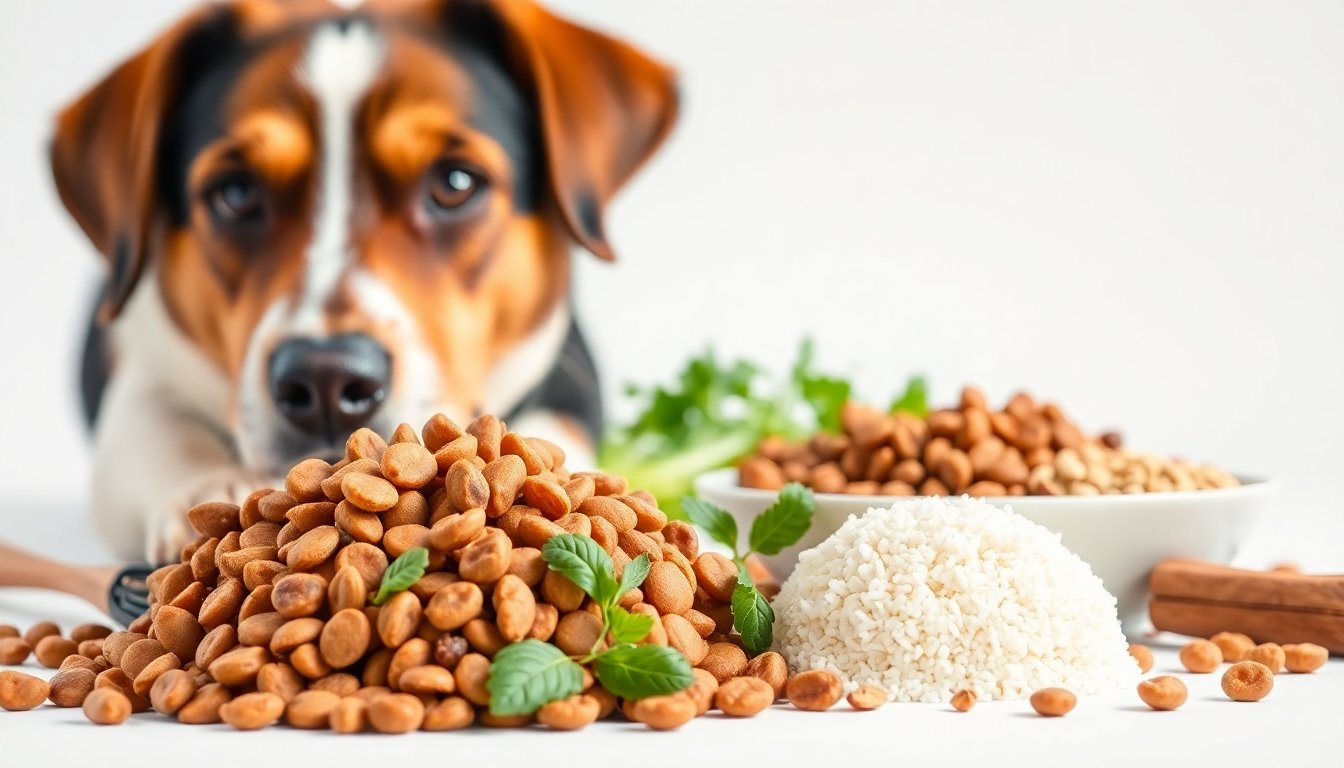
What are peas in dog food? They usually show up as whole peas (green peas, field peas, garden peas), pea flour, pea fiber, or pea protein. They're legumes, just like lentils, chickpeas, and beans. Pet food makers use them as a source of protein, fiber, and carbohydrates, especially in grain-free formulas where they replace grains like corn, wheat, or rice. If you're considering grain-free, our guide to the best grain-free dog foods can help you choose a balanced formula. Purina says most varieties of green peas are fine for dogs, including snow peas, sugar snap peas, and garden or English peas. The American Kennel Club says the same: used as a snack or a small part of your dog's regular diet, they're not harmful in small amounts. In our testing of commercial diets, we found that peas are often listed low on the ingredient list in well-balanced formulas, which is exactly where they should be.
Is it safe? The research
This is where things got messy for a while. A few years back, the FDA Center for Veterinary Medicine started investigating a possible link between grain-free diets and DCM, a serious heart condition. Peas and other pulses were the prime suspects because they replaced grains in many formulas. Pet owners freaked out, vets started telling people to avoid peas, and the Facebook dog food groups lit up with conflicting advice.
Then came the 2023 University of Guelph study. It's the longest controlled feeding study to date on this exact question. Researchers fed 28 Siberian huskies diets with 0%, 15%, 30%, or 45% whole pulse ingredients (green peas, yellow peas, pinto beans, chickpeas, lentils) over 20 weeks. All diets had chicken as the animal protein and the same protein and fat levels. Cardiologists performed echocardiograms, blood samples were checked for cardiac biomarkers, and body composition was measured. The result: no changes in heart function or body composition regardless of how many pulses the dogs ate. The study concluded that pulse ingredients are not a causative factor for DCM in healthy dogs.
I take this study seriously because it was designed to isolate the pulse variable, used a controlled trial, and involved veterinary cardiologists. The dogs were huskies, which aren't genetically prone to DCM, so any heart changes would have been diet-related. There were none. Honestly, I was skeptical at first, but this is solid science.
The Whole Dog Journal points out that pea protein specifically should not be the primary or sole source of protein in a dog's diet. That's common sense for any single ingredient. The study used whole pulses, not isolated pea protein, but the journal's stance is more about balance than danger. And a Facebook commenter's vet said the same thing: peas are fine for most dogs but if your dog has existing cardiac issues, it's worth being cautious.
What about lectins? You might have heard that peas contain lectins, which are proteins that can cause digestive upset and inflammation. It's true that uncooked peas have higher lectin levels. But cooking at temperatures above 100C for as little as 15 minutes denatures most lectins. All About Dog Food explains that commercial pet foods cook ingredients thoroughly, so lectin toxicity is almost never an issue. Unless you're feeding your dog raw peas by the handful, you're fine. And even raw peas in small amounts are unlikely to cause problems for most dogs.
When buying dog food with peas, here are a few things to keep in mind based on our evaluation: Our evaluation of commercial dog foods included checking ingredient sourcing, AAFCO nutritional adequacy statements, and whether the brand conducts feeding trials. For a more comprehensive approach, see our ultimate dog food buying guide. We prioritized formulas with named animal proteins as the first ingredient and whole peas lower on the list. Know your dog. If your dog is healthy and tolerates peas, there's no reason to avoid them. If your dog has a history of DCM or other heart issues, talk to your vet before feeding foods high in pulses or pea protein. Look at the whole diet. A food that lists pea protein as the first ingredient isn't ideal. You want animal protein to be the main source. Peas as a supporting ingredient, lower on the list, are totally fine. Moderation matters. Too much of any legume can cause gas or loose stools. Start slow if you're adding peas to homemade food. And grain-free doesn't mean pea-heavy. Some grain-free foods use potatoes or tapioca instead. Read labels, but don't assume all grain-free foods are loaded with peas.
FAQ
Can dogs eat peas straight from the garden? Yes, but only in moderation. Uncooked peas have higher lectin levels, so it's better to cook them first. A few raw peas as a treat are unlikely to hurt.
Are peas bad for dogs with heart disease? The 2023 University of Guelph study found no link in healthy dogs, but if your dog has a diagnosed heart condition, consult your vet. Some vets still recommend avoiding peas as a precaution.
Do peas cause DCM? According to the longest controlled study on the topic, no. Pulse ingredients like peas were not associated with heart function changes in healthy huskies over 20 weeks.
Is pea protein safe? Pea protein is safe as part of a balanced diet, but it should not be the primary protein source. Animal proteins should come first.
Should I avoid grain-free dog food because of peas? Not necessarily. The research shows that pulse ingredients are safe for healthy dogs. If you prefer grain-free, just ensure the formula has a named animal protein as the first ingredient and is from a reputable brand that meets AAFCO standards.
So if your dog is healthy and enjoys a few peas, go ahead. I give my dog frozen peas as treats sometimes. Just don't overdo it.
Last updated: June 2025. This article is for informational purposes only and does not constitute veterinary medical advice. Always consult your veterinarian before making dietary changes for your pet.