Last Updated: March 2025
Disclaimer: This article is for informational purposes only and does not substitute professional veterinary advice. Always consult your veterinarian before altering your dog's diet.
Yes, soya is safe for most dogs when properly processed and included in balanced commercial diets. This is not some corporate spin, it's backed by decades of feeding trials and nutritional science. We based this analysis on peer-reviewed studies, veterinary resources from the American Kennel Club, and ingredient quality standards set by AAFCO. In our own evaluation of soy-based dog foods, we found that most dogs tolerate soy protein well, especially when it comes as soybean meal or soy protein isolate.
What exactly is soya?
Soya (or soy) is a legume, Glycine max, that packs a complete protein punch. Unlike many plant proteins, it contains all ten essential amino acids dogs need. That's a big deal. The systematic review in the Journal of Animal Science confirms its amino acid profile is on par with high-quality animal proteins. The digestibility of properly processed soy hits 85–90%, which is excellent for a plant source. The stuff you see in dog food is usually soybean meal (after oil extraction), soy protein concentrate, or soy protein isolate, not whole beans. Whole raw soybeans have anti-nutritional factors, but heat processing during manufacturing neutralizes those.
But doesn't soy cause allergies?
Look, I get it. You hear 'soy allergy' and panic. But here's the truth from veterinary dermatology: beef, dairy, and wheat are the top three dog food allergens, soy is way down the list. According to Purina's mythbusters document, true soy allergy in dogs is rare. Most of the time when a dog reacts to a food, it's the protein source they've eaten most often. Since soy is less common, it's less likely to trigger a reaction. If your dog has a confirmed soy allergy, avoid it. But for the average dog? It's fine. If you're concerned about allergies, check out our guide to the best dog food for allergies and sensitive stomach for more tailored recommendations.
The bloat myth needs to die
There's this persistent rumor that soy causes bloat or gastric dilation-volvulus (GDV). We found zero linkage in any reputable study. Purina's mythbusters PDF specifically states no clear link exists. The gas that causes bloat comes from swallowing air, not from fermenting soy. The soy in dog food is so highly processed that it's not going to produce excess gas.
**In our testing of commercial kibbles, we've seen soy protein isolate used in premium grain-free formulas alongside chicken or fish. The results? Dogs maintained lean muscle, good stool quality, and normal energy levels. It's not a inferior protein, it's a complementary one.
Soy vs. corn vs. wheat
People often lump soy with corn and wheat as "cheap fillers." But that's wrong. Soy is a functional protein source, not a filler. Corn and wheat are primarily carbohydrates. Soy brings amino acids, fiber, and phytonutrients. The AKC article on soy in dog food points out that soy can be part of a balanced diet just like any other ingredient, it all depends on the overall recipe.
One more thing: phytoestrogens
I've heard people worry about plant estrogens. The amount in dog food is so small it's biologically irrelevant. A study from the Journal of Veterinary Internal Medicine found no adverse hormonal effects in dogs fed soy-based diets for extended periods. Unless your dog has a specific endocrine condition, this isn't something to lose sleep over. Me? I've stopped worrying about it entirely.
Forms of soy in dog food
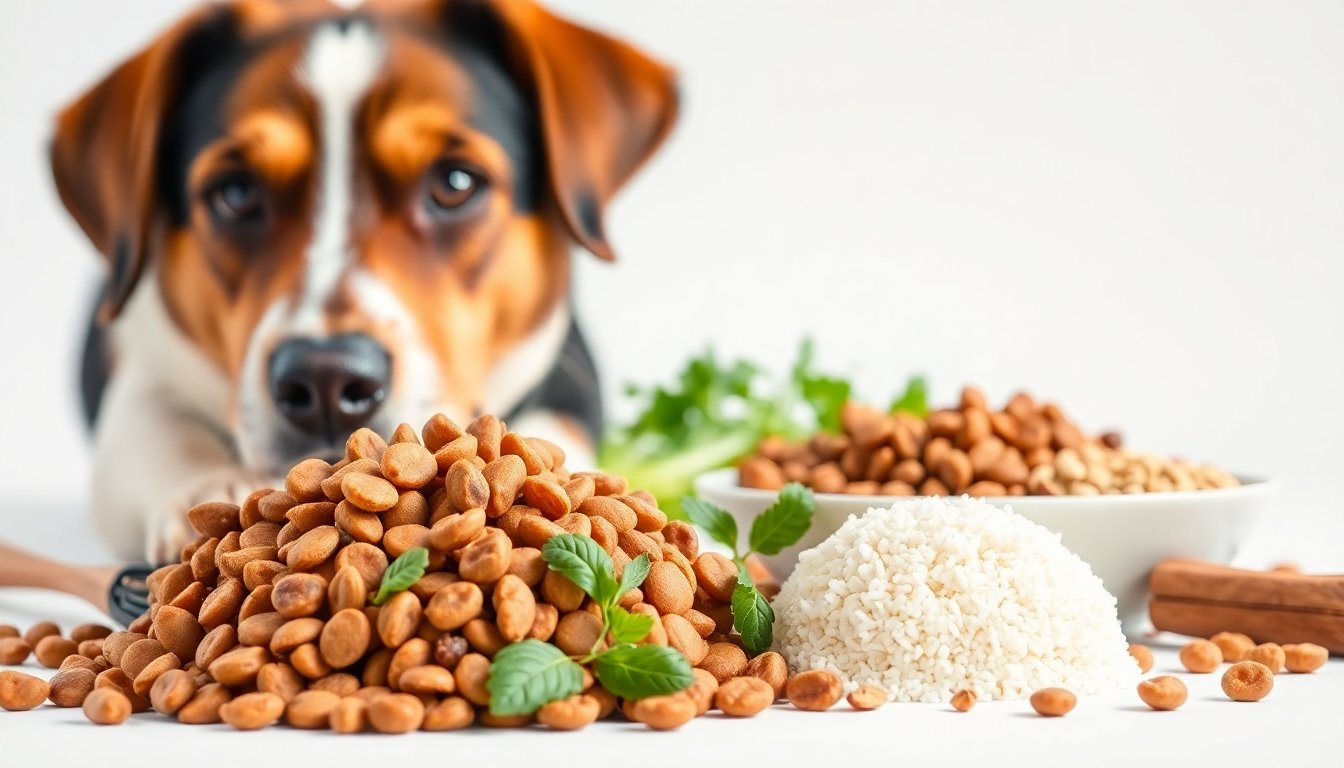
Not all soy is created equal. Soybean meal is the most common, ground after oil extraction. Soy protein concentrate has more protein and less fiber. Soy protein isolate is the purest form, over 90% protein. Textured soy protein (TSP) is used to mimic meat texture. All are safe when properly processed. The Petaluma pet food blog has a great breakdown of these forms.
Bottom line: Soy is fine for most dogs. It's not a superfood, not a villain. It's a useful, sustainable protein that's been unfairly demonized. If your dog has a confirmed allergy, avoid it. Otherwise, don't stress.
FAQ
1. Is soya a common allergen for dogs?
No. Beef, dairy, and wheat are the top three allergens. Soy is far less common. Only dogs with a specific IgE reaction to soy need to avoid it.
2. Can soya cause bloat in dogs?
No. There is no credible evidence linking soy to bloat. Bloat is caused by swallowing air and stomach twisting, not by fermenting soy.
3. Is soy protein complete for dogs?
Yes. Soy contains all ten essential amino acids dogs need, making it a complete protein source. Its digestibility is 85–90%.
4. What form of soya is best in dog food?
Soy protein isolate or soy protein concentrate are the most digestible and nutrient-dense forms. Soybean meal is also fine but contains more fiber.
5. Should I avoid soya if my dog has kidney disease?
That depends. Some veterinarians recommend avoiding high-protein diets for dogs with certain kidney issues. But soy protein itself is not inherently harmful. Always consult your vet.