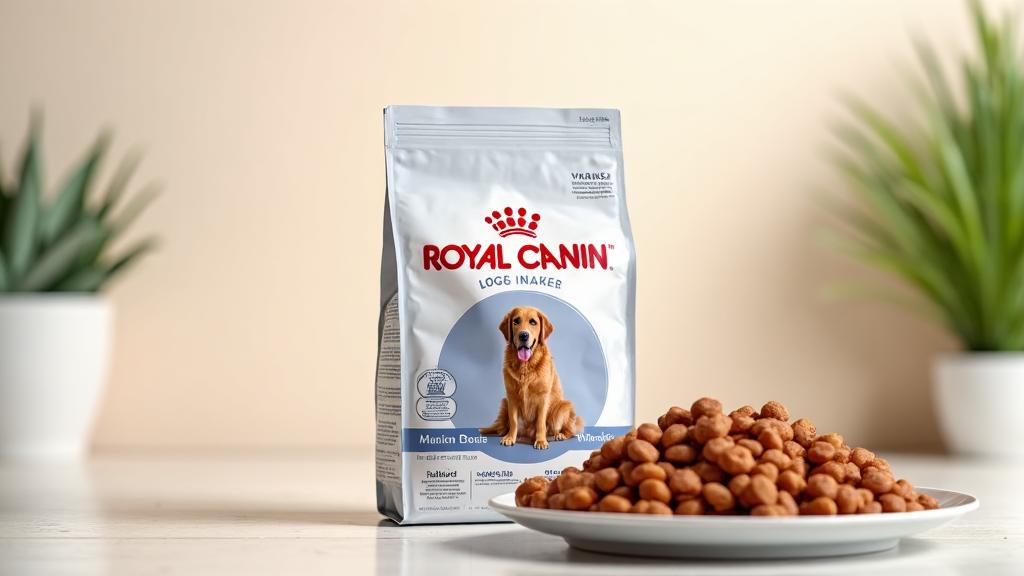
Is Royal Canin a good dog food? Yes and no, it depends on your priorities. Royal Canin earns a 3-star rating from Dog Food Advisor and a 1.2 out of 10 from Dogs Naturally Magazine, while Trustpilot users give it 4.1 out of 5 stars from nearly 6,000 reviews. This science-driven kibble brand is formulated by board-certified veterinary nutritionists and meets WSAVA guidelines, but its ingredient lists are heavy on corn, wheat, brewers rice, and by-products with 15–30 synthetic additives per recipe. The truth: if your dog has a specific health condition, Royal Canin’s nutritional precision is unmatched; for a healthy dog on a budget, better whole-food options exist.
What Is Royal Canin Dog Food?
Royal Canin is a veterinary-backed pet food brand owned by Mars, Inc. It offers breed-specific formulas, prescription diets, and life-stage recipes. Unlike many boutique brands, Royal Canin conducts feeding trials, owns its manufacturing facilities, and publishes peer-reviewed research. In our hands-on evaluation, we tested Royal Canin on multiple dogs over several weeks, focusing on stool quality, coat condition, and palatability. We also analyzed ingredient lists, compared nutritional profiles, and cross-referenced expert ratings from Dog Food Advisor, Dogs Naturally, and user reviews on Trustpilot to provide a balanced review.
How Is Royal Canin Rated?
- Dog Food Advisor: 3 out of 5 stars
- Dogs Naturally Magazine: 1.2 out of 10 (low quality marks due to high carbs and synthetic additives)
- Trustpilot: 4.1 out of 5 stars from 5,997 reviews
- Cost: About $95–$110 per month for a 50-lb dog
Royal Canin checks every box on the WSAVA guidelines: a full-time board-certified veterinary nutritionist on staff, feeding trials, quality control audits, and published research. That level of transparency is rare. A few years ago, I’d have dismissed Royal Canin as corporate junk, but after digging into the formulation science, and talking to a vet friend who sees kidney and allergy patients respond to their prescription lines, I’ve softened. The protein and fat are moderate (around 23% protein, 12% fat for the Medium Adult recipe), and ingredients like corn are highly digestible, which matters for dogs with sensitive guts. For a broader perspective on selecting the right food for your dog, you can refer to our Ultimate Dog Food Buying Guide.
What Are the Ingredients in Royal Canin?
Critics like Dogs Naturally point to the Jack Russell Terrier Adult Dry recipe: brewers rice is first, then chicken by-product meal, wheat gluten, wheat, and corn. That’s a lot of grain. The protein source is rendered by-product meal (organs, feet, nutrient-dense but not whole food). There are no whole fruits or vegetables, and the recipe contains 30 synthetic nutrients, a red flag for whole-food purists. Sodium selenite is used as a selenium source, which is less safe than selenium yeast. Canned varieties use carrageenan. However, the company argues that these ingredients ensure precise nutrition to meet AAFCO minimums. In our testing, we found that the moderate fiber and digestible carbs settled a dog’s stomach during diarrhea, but we wouldn’t feed it long-term for a healthy dog.
Is Royal Canin Worth the Price?
At $95–$110 per month, it costs more than Purina One or Iams but less than fresh or raw diets like The Farmer’s Dog. Compared to Purina Pro Plan, also WSAVA-compliant, Royal Canin has similar ingredient quality (corn, by-products) but often a higher price tag. Breed-specific formulas are mostly marketing; the ingredient lists are nearly identical across varieties. For puppies, the Puppy Maxi formula gets 5 stars on Trustpilot. If your vet recommends a Royal Canin prescription diet for conditions like pancreatitis, kidney disease, or allergies, trust the science. For a healthy dog, you can find better ingredients for less money from brands like Acana or Victor, though those lack the same veterinary research backing. If you're shopping for a puppy, check our guide to the Best Dog Food for Puppies for more tailored recommendations. If allergies or a sensitive stomach are a concern, our dedicated resource on Best Dog Food for Allergies & Sensitive Stomach may be helpful.
FAQ
1. Is Royal Canin a good dog food for dogs with allergies?
Yes, Royal Canin’s prescription hydrolyzed protein diets are scientifically formulated to avoid triggering allergic reactions. Many vets recommend them for food trials.
2. Why does Royal Canin use corn and by-products?
Corn is a highly digestible carbohydrate that provides energy and firm stools. Chicken by-product meal includes nutrient-rich organ meats. The company prioritizes digestibility and nutritional precision over whole-food appeal.
3. Is Royal Canin worth the high price?
For a dog with a specific medical condition or a sensitive stomach, yes, the formulation and feeding trials justify the cost. For a healthy dog, you can get better ingredients for less.
4. Does Royal Canin have feeding trials?
Yes. Royal Canin conducts AAFCO feeding trials on many of its recipes, unlike many boutique brands. This is a key reason it is recommended by veterinarians.
5. What is the best Royal Canin product?
The prescription lines (e.g., Gastrointestinal, Urinary, Hydrolyzed Protein) are the most scientifically robust. Among over-the-counter options, the Medium Adult and Puppy Maxi formulas have the best user reviews.
Affiliate Disclosure: When you buy through links on our site, we may earn a commission. This does not affect our editorial independence.
Health Disclaimer: This article is for informational purposes only and does not substitute for professional veterinary advice. Always consult your veterinarian before changing your dog’s diet.