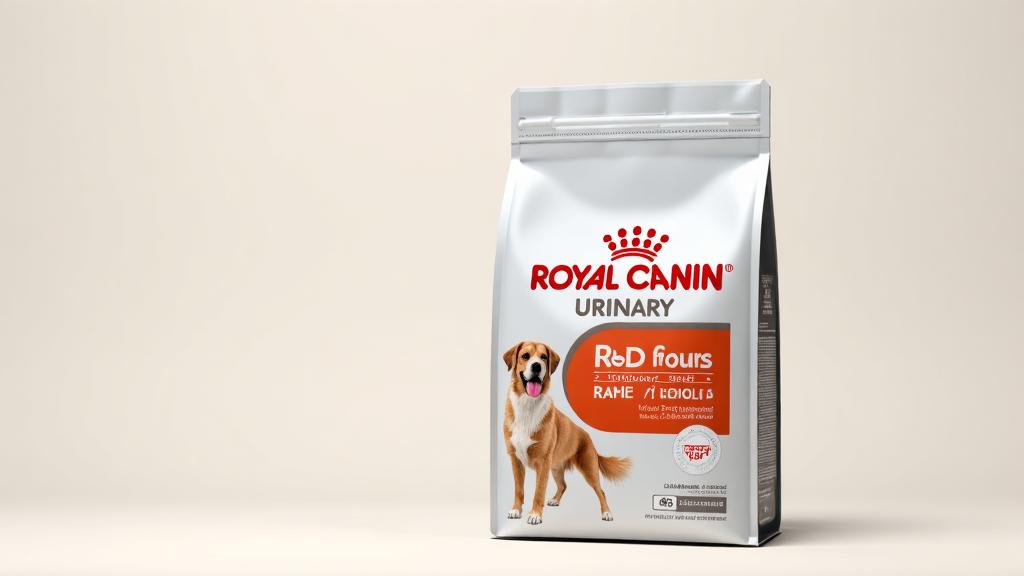
The best Royal Canin urinary dog food is the Veterinary Diet Canine Urinary SO because it uses a proprietary S/O Index to help reduce crystal formation and is available in both dry and canned forms to suit picky eaters. Royal Canin urinary dog food is a line of veterinary-exclusive prescription diets formulated to support canine bladder health and prevent urinary stones and crystals. These are not over-the-counter foods. You need a vet's authorization to buy them.
I get asked about the difference between their two urinary diets all the time. They're not interchangeable. My own dog had struvite crystals a few years back. The vet put him on Urinary SO and within a month the crystals were gone. Every dog is different though, so don't take that as medical advice.
Urinary SO is the more general option. According to the product page on Royal Canin's site, it's a "veterinary-exclusive adult dog food for dogs with urinary health concerns." The Chewy listing adds that it uses "RSS methodology for dog bladder health to help lower the risk of crystal formation." The key here is something called the S/O Index. It creates an environment in the bladder that makes it harder for crystals to form and stick together. This is your go-to formula if your dog has had struvite crystals or calcium oxalate issues in the past. Urinary UC is more specialized. The Royal Canin US product page says it's "created with precise levels of controlled purine content" and "promotes bladder health and prevents urate stones." Urate stones are a specific type of stone often linked to high purine levels in the diet. Some breeds like Dalmatians are genetically prone to them. So UC is the formula you want when your vet identifies urate stones specifically. One important thing: the PetSmart listing for Urinary SO says it "supports your adult dog's urinary tract and bladder health" - that's the general description. The 1800PetMeds listing for Urinary UC says the same thing. So on the surface they sound identical. The difference is in the mechanism.
Dry vs canned matters a lot. Urinary SO comes in both dry and canned (the Chewy listing confirms the canned version). Urinary UC appears to be dry only based on the sources I have. The canned food is important because it adds moisture. Dogs on dry food alone tend to produce more concentrated urine, which makes crystal formation more likely. By mixing in the canned version, you're essentially watering down the urine. That alone can make a big difference. I'll be honest here: if your dog will eat the canned food, I'd strongly recommend using it at least as a topper. Royal Canin's own site says the dry food "promotes bladder health and prevents urate stones" but that doesn't mean you can't do both.
Here's the breakdown without the science jargon. The Urinary SO formula relies on what Royal Canin calls the S/O Index. It's a specific balance of minerals and pH that discourages crystal formation. According to Chewy, it uses "RSS methodology" - I think that stands for something like Relative Supersaturation, which basically means it keeps the urine from getting so saturated with minerals that they precipitate out as crystals. The Urinary UC formula takes a different approach. Instead of managing pH and mineral balance, it restricts purines. Purines are compounds found in certain proteins that break down into uric acid. Dogs with urate stones can't process uric acid properly. By controlling purine levels in the food, Royal Canin aims to reduce the raw material for those stones. Both formulas are "complete and balanced" meaning they're nutritionally adequate for long-term feeding. If you're concerned about choosing the right diet for other life stages, check out our best dog food for senior dogs guide for joint and digestive support. Your dog can stay on these for life if needed.
If your vet hasn't specified which formula you need, ask them to identify the type of stone or crystal. Struvite, calcium oxalate, or urate determines which food you need. If it's urate stones, go with Urinary UC (dry only). If it's anything else or if the vet is unsure, go with Urinary SO. And get both dry and canned versions of Urinary SO if your dog will eat them. The extra moisture is worth it. Remember these are prescription diets. You can't just grab them off the shelf. You'll need a prescription from your vet, and you can buy them from your vet's office, PetSmart (with vet approval), Chewy, or 1800PetMeds. One last thing: Royal Canin's own site says these foods are "scientifically developed by our pet-care team." That's marketing speak, but there is actual research behind these formulas. They've been around for decades and are widely used by veterinary specialists. I'm not saying they're perfect for every dog, but for a dog with chronic urinary issues, they're usually the first recommendation for a reason. For a broader look at choosing a quality diet, see our dog food reviews for honest ratings of popular brands.
Do you need a prescription? Yes. Both Urinary SO and Urinary UC are veterinary-exclusive products. Retailers like PetSmart and Chewy require vet authorization before you can purchase them. Can you mix dry and canned? Yes. Royal Canin offers Urinary SO in both forms. Mixing them can increase water intake, which helps dilute urine and reduce crystal risk. How soon will your dog's urinary issues improve? That depends on the specific condition. For struvite crystals, some dogs show improvement within weeks. For chronic issues, the food is a long-term management tool, not a quick fix. Is it safe for long-term feeding? Yes. Both formulas are complete and balanced for adult dogs. Many dogs eat these diets for years without problems. Your vet should monitor your dog's urine periodically. What if your dog refuses to eat the dry food? Try the canned version of Urinary SO. It's more palatable for some dogs. You can also warm the canned food slightly or mix it with the dry to encourage eating. Can puppies eat this? No. These diets are formulated for adult dogs. Royal Canin does not offer a urinary formula for puppies based on the sources available. For puppy-specific food recommendations, browse our best dog food for puppies guide. Consult your vet for puppy-specific options.