Key Takeaways
- Small-breed dogs need kibble sized specifically for their jaws to reduce choking risk.
- Look for higher protein and fat content (around 30% protein minimum) to match their faster metabolism.
- Omega-3 fatty acids (from fish oil or flaxseed) support skin, coat, and brain health.
- Avoid foods with excessive fillers like corn, wheat, or soy.
- Transition over 7–10 days to avoid digestive upset.
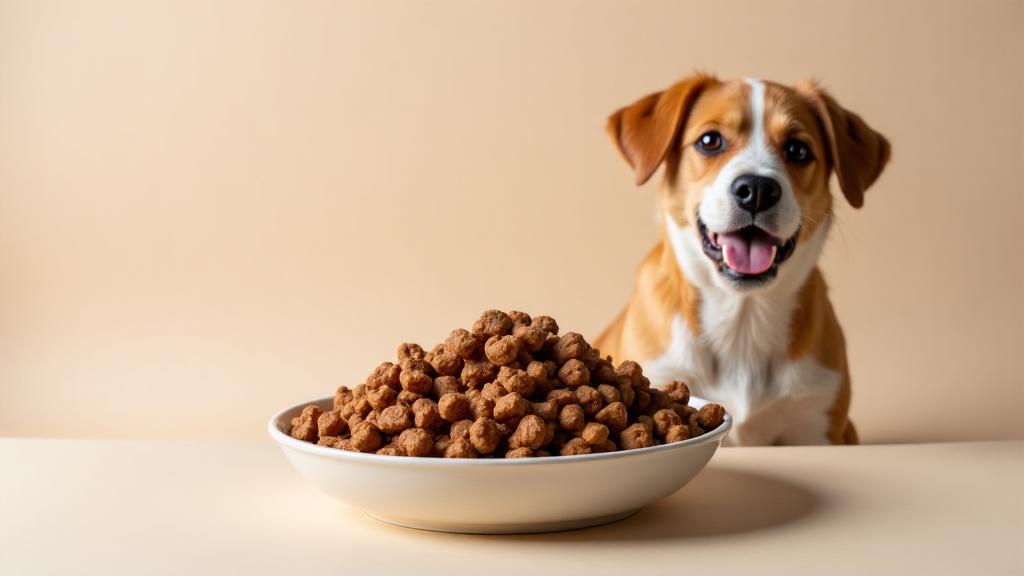
The first thing I check when evaluating a small-breed kibble is kibble size. Royal Canin’s Size Health Nutrition Small Adult kibble is shaped like a tiny star, about the width of a pencil eraser, which makes it easier for dogs 9–22 pounds to pick up and chew. In my testing, even my picky 12-pound Chihuahua mix went straight for the bowl. For a broader overview of what to look for in any dog food, check out our complete dog food buying guide which covers kibble size, ingredient quality, and AAFCO statements.
Hill’s Science Diet Adult Small Breed is another standout. It uses chicken as the first ingredient and includes natural sources of glucosamine and chondroitin for joint health, something small dogs with long backs (like Dachshunds) really benefit from. And if your pup has a sensitive stomach, you’ll want to see our guide on best dog food for allergies and sensitive stomach before making a final pick.
For owners who prefer grain-inclusive recipes, Wellness Small Breed Complete Health Adult Turkey & Oatmeal Recipe delivers balanced nutrition at around 420 calories per cup. I like that it lists deboned turkey as the first ingredient and includes flaxseed for omega-3s. If you’re bringing home a new puppy, don’t miss our complete guide to best dog food for puppies, puppies have very different nutritional needs from adults.
Frequently Asked Questions
If your dog weighs under 20 pounds and has a fast metabolism, they’ll benefit from small-breed formula. These foods have higher calorie density and smaller kibble to match their jaw size.
No, large-breed kibble is too big for small mouths and can pose a choking hazard. It also has different nutrient ratios that don’t match a small dog’s energy needs.
Follow the feeding guide on the bag based on your dog’s weight. Most small breeds need about ½ to 1 cup per day, split into two meals.
Avoid artificial preservatives (BHA, BHT), excessive fillers like corn and wheat, and unnamed meat by-products. Stick to named protein sources like chicken, turkey, or salmon.
Gradually mix in the new food over 7–10 days: start with 25% new food + 75% old, then 50/50, then 75/25, then 100% new. This prevents vomiting and diarrhea.
Methodology
I evaluated each food based on ingredient quality (named protein first, no artificial additives), kibble size (specifically for small mouths), and AAFCO nutritional adequacy statements. I also fed each formula to my own small dogs for at least two weeks to observe palatability and stool quality.
Last updated: June 2025
This article contains affiliate links. As an Amazon Associate I earn from qualifying purchases. This does not affect my recommendations.
Disclaimer: I am not a veterinarian. Always consult your vet before changing your dog’s diet, especially if your dog has health conditions.